

What Does “Spider” Mean?
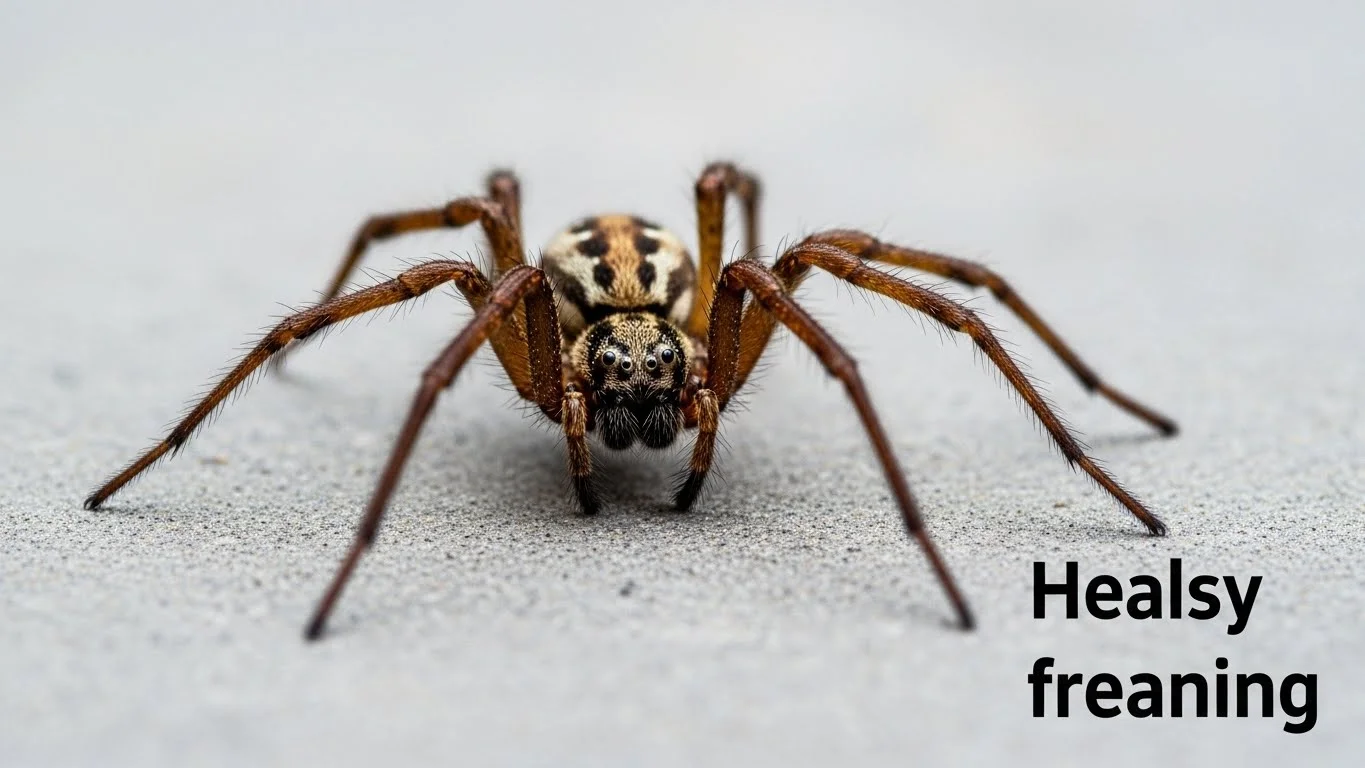
At its most basic level, a spider is an arachnid with eight legs that spins webs and catches insects. However, the word has also developed deeper symbolic and metaphorical meanings over time.
Clear Definition
Spider (noun): An eight-legged arachnid known for spinning silk webs to trap prey.
Meaning Based on Context
The spider meaning changes depending on how it’s used:
Biological: A real animal belonging to the arachnid family
Symbolic: Patience, creativity, or danger
Slang or metaphor: Someone sneaky, strategic, or manipulative
Dream interpretation: Fear, control, or hidden threats
Understanding the context is key to interpreting what “spider” really means.
Origin and History of the Word Spider
The word spider comes from Old English spīthra, which referred to spinning creatures. Across history, spiders have fascinated humans because of their ability to create complex webs.
In ancient cultures:
Spiders symbolized creation and fate
Webs represented life connections
Some cultures viewed spiders as wise, others as dangerous
This mixed symbolism explains why the word spider can feel both intriguing and unsettling.
How People Use “Spider” in Real Conversations
The word spider appears in everyday speech, writing, and online culture more often than you might expect.
Common Places You’ll See It
Daily conversation (“There’s a spider in the room”)
Stories and literature
Movies and superhero names
Social media metaphors
Slang descriptions of people
Modern Usage Style
In modern language, spider can be:
Literal and factual
Fear-based (phobias)
Symbolic or poetic
Metaphorical in describing behavior
Spider Meaning in Slang and Metaphor
Beyond the animal, spider meaning slang often refers to a person who is sneaky, calculating, or quietly controlling situations.
Common Slang or Metaphorical Meanings
Someone who pulls strings behind the scenes
A manipulative or strategic thinker
A person who watches and waits patiently
Someone who traps others emotionally or socially
Example:
“He’s a spider in that office—quiet but controls everything.”
This usage is metaphorical and not always negative; sometimes it implies intelligence and patience.
Real-Life Examples of “Spider” in Use
These examples show how spider meaning changes based on context.
Example 1: Literal
“There’s a spider on the wall.”
Explanation:
Refers to the actual animal.
Example 2: Symbolic
“She’s like a spider, carefully building her future.”
Explanation:
Spider symbolizes patience and creativity.
Example 3: Slang
“He’s a spider, always watching and planning.”
Explanation:
Describes someone strategic or manipulative.
Example 4: Fear-Based
“I can’t sleep; I saw a spider earlier.”
Explanation:
Reflects arachnophobia, a common fear.
Example 5: Pop Culture
“Spider-Man is my favorite superhero.”
Explanation:
Spider used symbolically to represent agility and power.
Common Mistakes & Misunderstandings
The word spider is often misunderstood because of emotional reactions and symbolism.
Mistake 1: Thinking Spider Always Means Danger
Most spiders are harmless and help control insect populations.
Mistake 2: Confusing Spiders with Insects
Spiders are arachnids, not insects.
Mistake 3: Assuming Slang Usage Is Always Negative
Calling someone a “spider” can imply intelligence, not just manipulation.
Mistake 4: Ignoring Cultural Context
Spider symbolism varies widely across cultures.
Spider Symbolism Across Cultures
The spider meaning changes significantly around the world.
Positive Symbolism
Creativity and patience
Destiny and interconnectedness
Wisdom and storytelling
Negative Symbolism
Deception
Fear
Hidden danger
For example:
In African folklore, the spider represents wisdom
In Western culture, spiders often symbolize fear
Spider Meaning in Dreams (Brief Overview)
People often search spider meaning because of dreams.
Common dream interpretations include:
Feeling trapped (webs)
Fear or anxiety (large spiders)
Control issues (being watched)
Creativity (spinning webs)
Dream meaning depends heavily on personal experience.
Related Words & Concepts
If you’re researching spider, these related terms often appear:
Arachnid: Spider family
Web: Symbol of connection or trap
Arachnophobia: Fear of spiders
Manipulator: Metaphorical meaning
Predator: Biological role
These connections help explain why spider symbolism is so strong.