

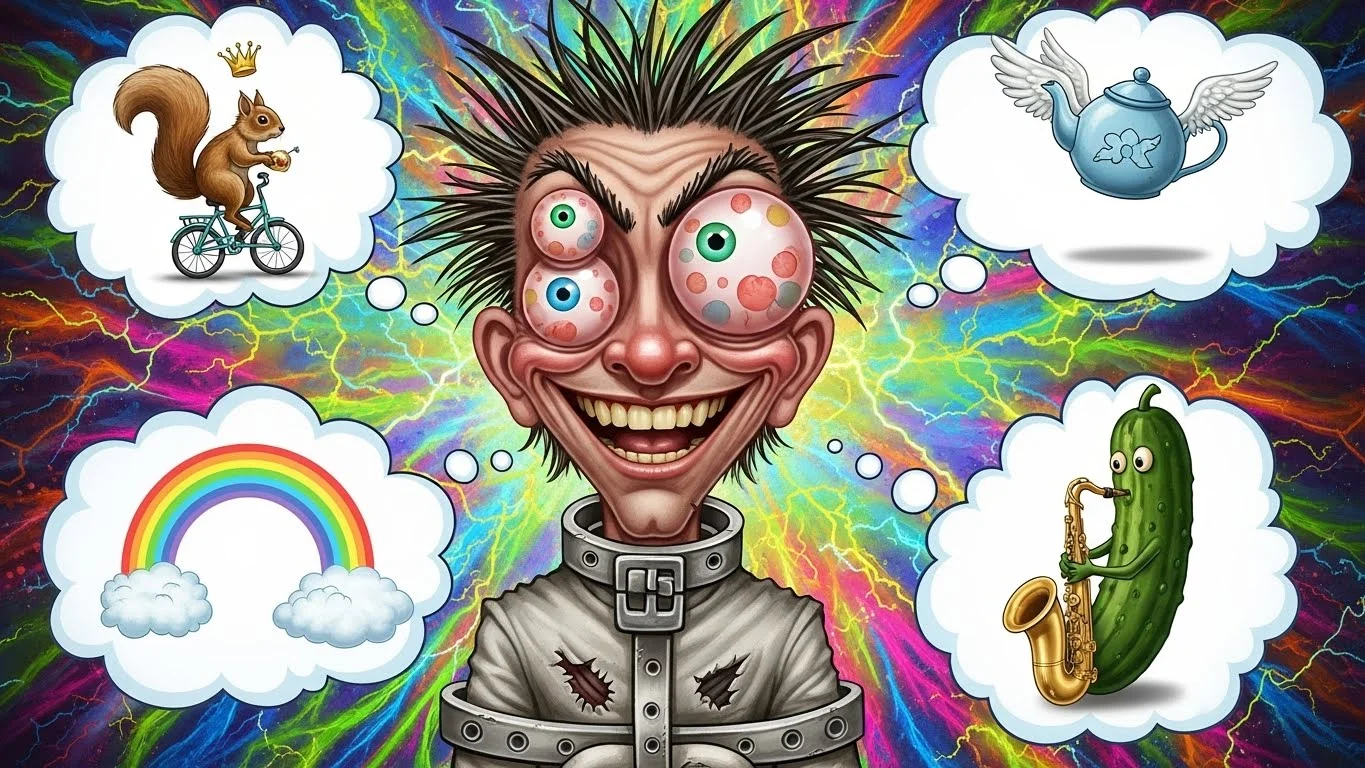
What Does “Maniac” Mean?
The word maniac generally refers to someone who exhibits extreme, intense, or obsessive behavior.
Formal meaning: A person who behaves in an uncontrollably enthusiastic or violent manner.
Casual/slang meaning: Can describe someone who is extremely passionate, crazy in a fun way, or obsessed with something.
Origins:
The term comes from the Greek word “mania”, meaning madness or frenzy. Historically, it was used in medical contexts to describe mental illness characterized by excessive excitement or aggression. Over time, it became part of everyday language and slang.
Context matters:
Serious: “The criminal was a maniac, dangerous and unpredictable.”
Humorous: “She’s a maniac for shoes—can’t resist any sale.”
How People Use “Maniac” in Real Conversations
While originally serious, “maniac” is now widely used in informal chats, texts, and social media.
Platforms
Texting & WhatsApp: Often playful, describing someone obsessed with a hobby or interest.
Instagram & TikTok: Used in memes or captions to describe extreme enthusiasm or craziness.
Gaming forums & Discord: To describe aggressive players or someone wildly competitive.
Movies & pop culture references: Commonly used to describe wild, unpredictable characters.
When It’s Appropriate
Playful jokes among friends
Describing someone extremely passionate or energetic
Emphasizing intensity or craziness
When It Feels Awkward
Labeling someone as a maniac in a serious, professional context
Using it as a literal medical term without accuracy
Overusing in casual texts, which can sound exaggerated
Pro Tip: Tone matters. Use maniac to exaggerate enthusiasm, energy, or craziness in a playful way unless describing truly dangerous behavior.
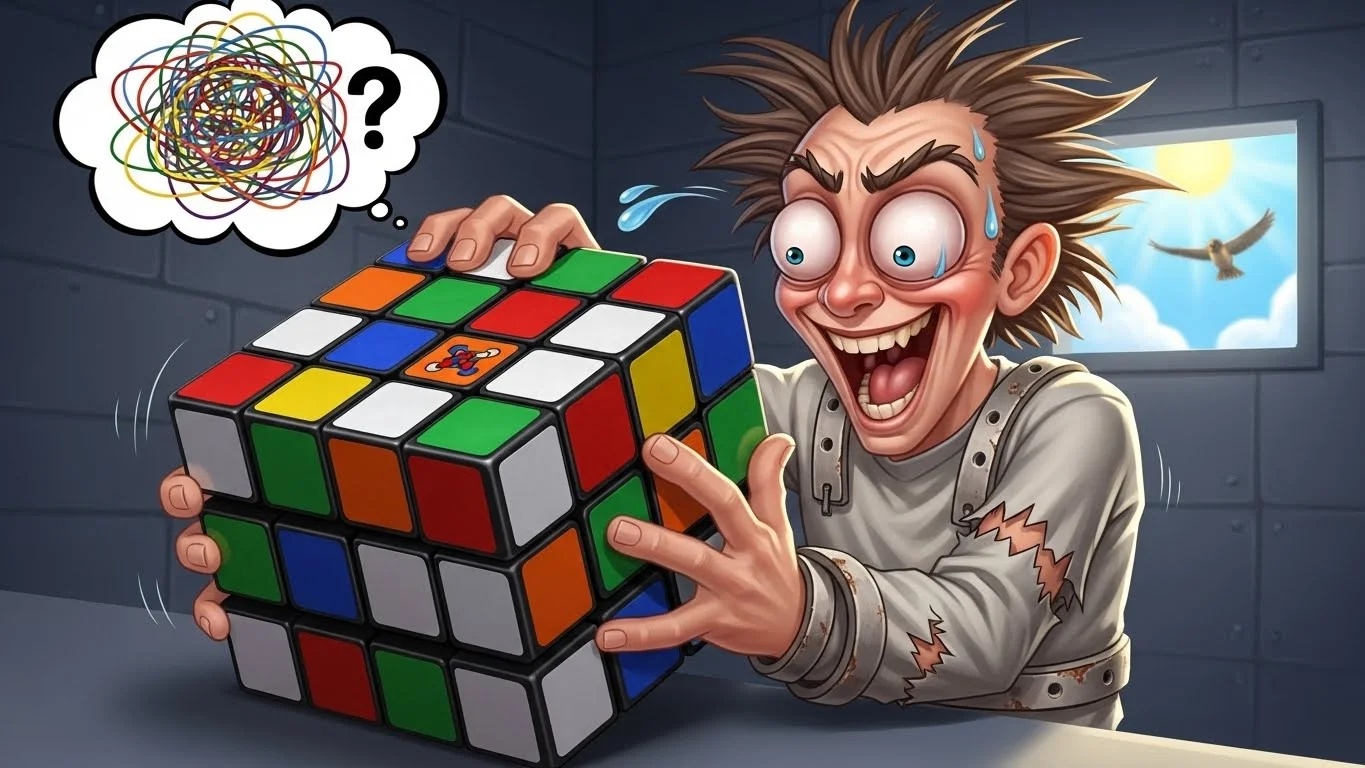
Real-Life Examples of “Maniac” in Text Messages
Playful/funny context:
Mia: “He’s a maniac for chocolate—ate the whole box!”
Jay: “Classic, can’t stop him!”
Explanation: Describes extreme enthusiasm in a humorous way.
Serious context:
Alex: “The attacker was a maniac, running through the street wildly.”
Sam: “Stay safe, call the police!”
Explanation: Refers to genuinely dangerous behavior.
Gaming context:
Player1: “That guy is a maniac in the game—keeps rushing everyone!”
Player2: “Yeah, can’t keep up with him.”
Explanation: Describes aggressive or unpredictable gameplay.
Pop culture/meme context:
“Me on Monday morning: total maniac energy.”
Explanation: Exaggerated humor describing wild energy or behavior.
Common Mistakes & Misunderstandings
Assuming it’s always negative: In casual conversation, it can be playful or positive.
Using in formal contexts without care: Can offend if directed at someone seriously.
Confusing with clinical terms: It is often informal slang now; don’t use it as a medical diagnosis.
Overusing in jokes: Can lose impact if used too often.
Tip: Consider the context and audience before calling someone a maniac—playful exaggeration works best with friends or online humor.

Related Slangs & Expressions
Crazy / Nuts: Synonyms for maniac in informal chats.
Madman / Madwoman: Similar usage, often figurative.
Psycho: Informal, often stronger and sometimes offensive.
Extreme fan / fanatic: Positive or playful use for obsession.
Hyper / wild: Describes energetic or unpredictable behavior.
Internal linking opportunities: You could link to “crazy meaning,” “psycho meaning,” or “fanatic meaning” for SEO and engagement.