

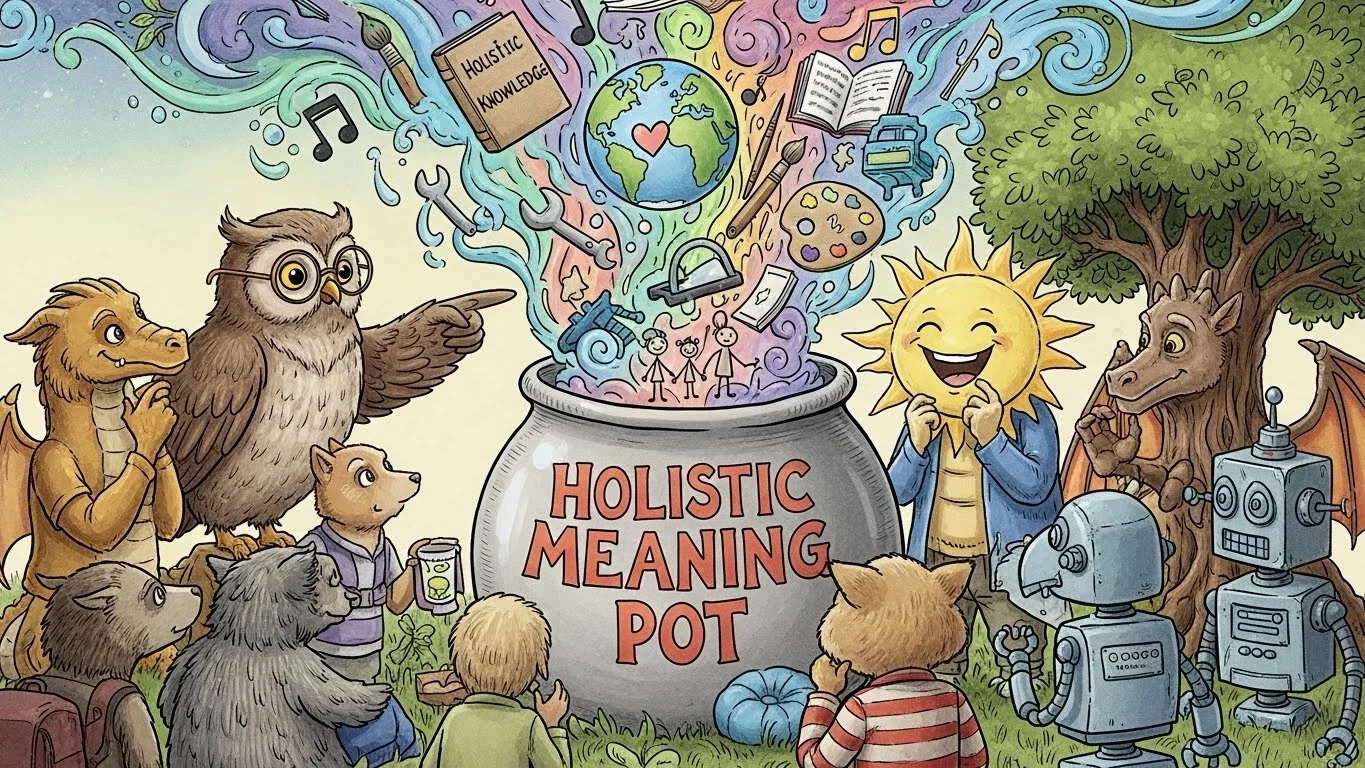
What Does “Holistically” Mean?
Holistically is the adverb form of holistic, which is derived from the Greek word “holos”, meaning “whole.”
Simple definition:
Holistically = in a way that considers the whole rather than just parts.
Core aspects of holistically:
Emphasizes full-picture thinking
Focuses on connections and relationships between parts
Often used in health, education, business, and personal development
Holistically Meaning in Everyday Life
1. In Health & Wellness
When someone says they approach wellness holistically, they mean looking at the body, mind, and spirit together:
“We treat patients holistically, addressing lifestyle, diet, and emotional well-being.”
Emphasizes prevention, balance, and overall wellness rather than isolated symptoms.
2. In Work or Education
Holistic thinking is used in business, teaching, or project management:
“We need to analyze this project holistically, considering budget, timeline, and team dynamics.”
Focuses on how each element affects the overall outcome.
3. In Personal Development
“I try to approach my goals holistically, balancing career, relationships, and mental health.”
Encourages seeing life as interconnected, not fragmented.

Real-Life Examples of “Holistically” in Text and Conversation
Health context:
“She treats her patients holistically rather than just prescribing medicine.”
Meaning: Considers body, mind, and lifestyle.
Business context:
“We need to look at the company holistically before making changes.”
Meaning: Consider all departments, employees, and processes.
Education context:
“Teachers should assess students holistically, not just through test scores.”
Meaning: Look at skills, creativity, social abilities, and learning style.
Personal context:
“I approach my diet holistically, including nutrition, exercise, and sleep.”
Meaning: Focus on all factors affecting health.
Environmental context:
“We need to tackle climate change holistically, considering ecosystems, policies, and human behavior.”
Meaning: Consider all interconnected aspects.
Common Mistakes & Misunderstandings
Thinking holistically means vague thinking: Holistic approaches are often structured and intentional.
Confusing holistically with “completely”: Holistically doesn’t mean entirely or perfectly—it means considering the whole system.
Using it too formally in casual conversation: While fine in professional or thoughtful texts, casual alternatives like “overall” or “all-around” may be easier.
Assuming it applies only to health: Holistic approaches are widely applicable—in business, education, environmental studies, and personal development.
Related Words and Expressions
Comprehensively – covering everything, similar to holistic thinking
Systemically – considering the system as a whole
Integratively – combining multiple parts into a unified approach
Overall – general or whole perspective (more casual)
All-encompassing – covering all relevant aspects
These words are often used interchangeably depending on context.

Holistically in Modern Culture (2026)
Wellness & Mental Health: Commonly used in health blogs, yoga, therapy, and nutrition discussions.
Education & Career: Promotes holistic assessments and employee development.
Social Media & Digital Discussions: Appears in lifestyle, self-improvement, and personal growth content.
Business & Environmental Planning: Encourages strategic thinking considering all factors.
By 2026, holistically has become a standard term for thoughtful, interconnected, and comprehensive approaches.