
What Does “Forgive” Mean?
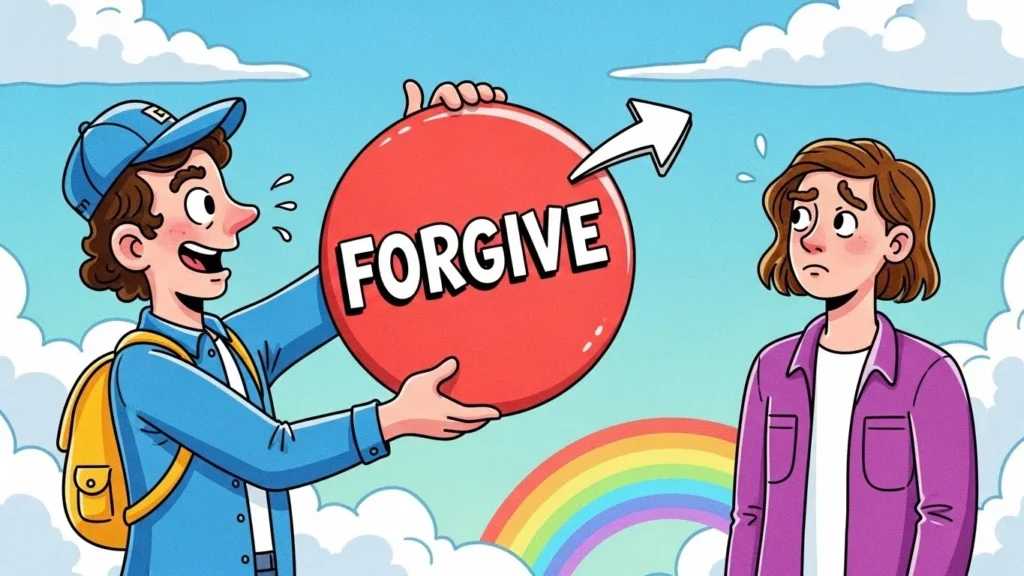
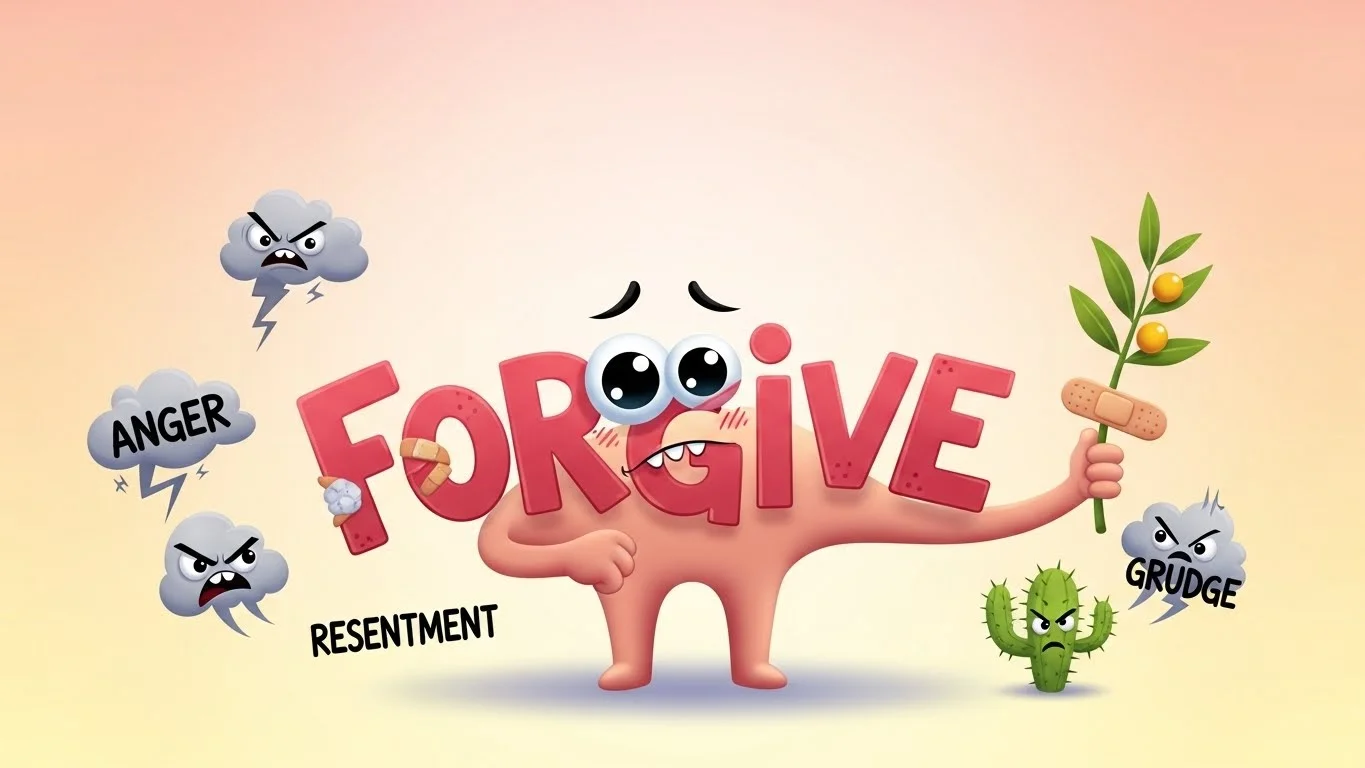
Forgive is a verb that refers to ceasing to feel anger, resentment, or blame toward someone who has wronged you, whether they deserve it or not.
Simple definition:
Forgive = to let go of negative feelings and move past someone’s mistake or wrongdoing.
Core aspects of forgiveness:
Can involve people, yourself, or situations
Does not always mean excusing the behavior
Often linked to emotional healing and personal growth
Etymology:
From Old English forgiefan, meaning “to give, grant, or pardon.”
Forgive Meaning in Everyday Life
1. In Personal Relationships
Forgiving someone in relationships helps restore trust, reduce conflict, and promote emotional health.
Example:
“I forgive you for forgetting my birthday.”
Meaning: You are letting go of anger, even if the mistake hurt you.
2. In Texts and Online Chat
In texting or online communication, forgive is often used casually to apologize or respond politely:
Examples:
“Forgive me for the late reply.”
“Please forgive my mistake in the post.”
“Forgive my ignorance, but could you explain?”
Here, it signals humility, respect, or politeness.
3. Self-Forgiveness
You can also forgive yourself, which is crucial for mental and emotional well-being:
Example:
“I have to forgive myself for the choices I made.”
Meaning: Letting go of self-blame to move forward.
Real-Life Examples of “Forgive” in Context
“I forgive you for what happened yesterday.”
Meaning: Letting go of anger for a specific event.“Forgive me if I seem upset.”
Meaning: Polite acknowledgment of your feelings while maintaining respect.“We must learn to forgive and forget.”
Meaning: Encourage reconciliation and emotional release.“Forgive yourself; everyone makes mistakes.”
Meaning: Practice self-compassion.“Can you forgive me for being late?”
Meaning: Asking someone to accept your apology.
Common Mistakes & Misunderstandings
Thinking forgiveness means condoning bad behavior: Forgiving does not excuse what was done.
Assuming forgiveness requires immediate reconciliation: You can forgive without resuming a relationship.
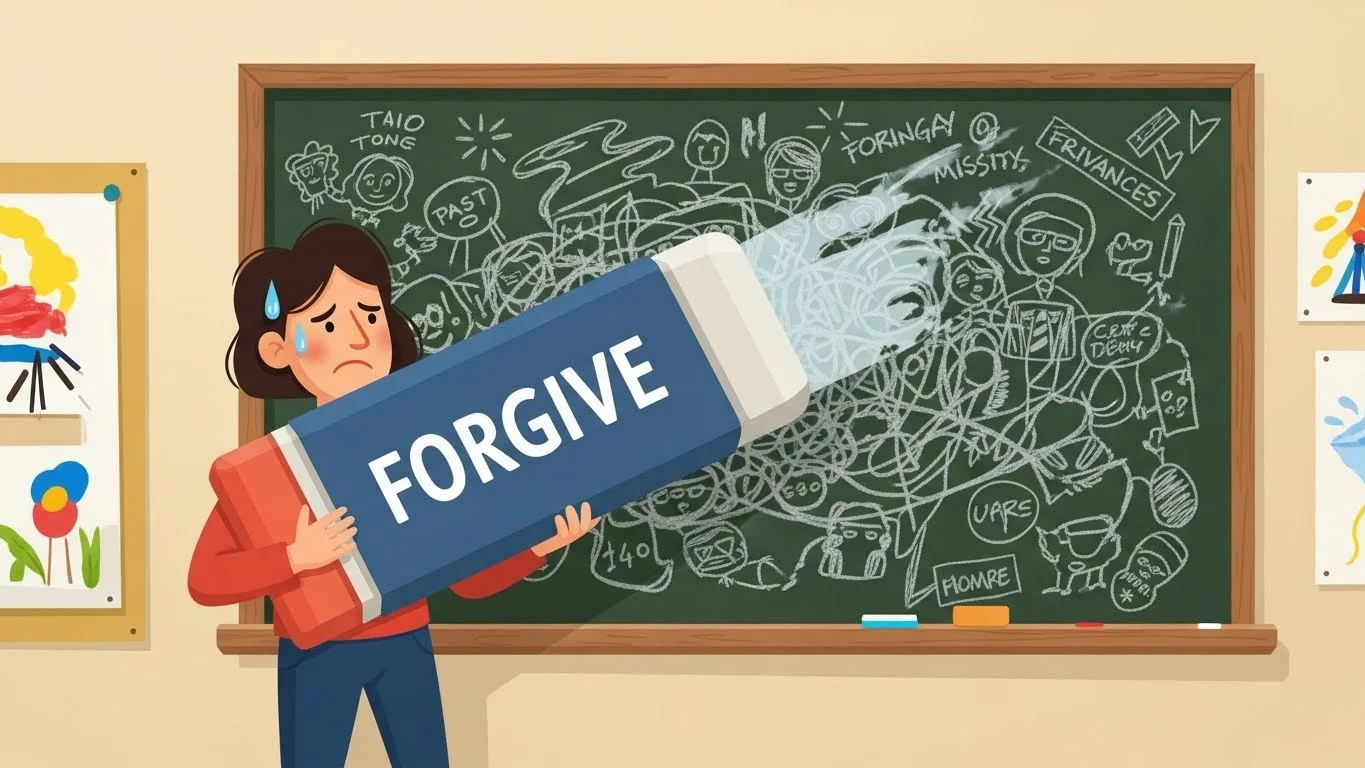
Confusing forgiveness with forgetting: Forgiveness is about letting go of resentment; forgetting may or may not happen.
Delaying self-forgiveness: Holding onto guilt can harm mental health.
Related Words and Expressions
Pardon – formally excuse or forgive
Absolve – declare free from blame or guilt
Reconcile – restore friendly relations after conflict
Let go – release negative emotions
Mercy – compassion or forgiveness shown toward someone
These words are often used in similar contexts and help deepen understanding of forgiveness.
Forgive in Modern Chat and Digital Culture (2026)
Commonly used in texting, emails, and social media to apologize or acknowledge mistakes
Often paired with emojis or casual phrases for tone, e.g., “Forgive me 🙏” or “Forgive the typo lol”
Encourages polite, respectful communication in professional and casual conversations
Even in 2026, forgiveness remains a powerful social and emotional tool, bridging misunderstandings and promoting harmony online and offline.