
What Does “Dolce Vita” Mean?
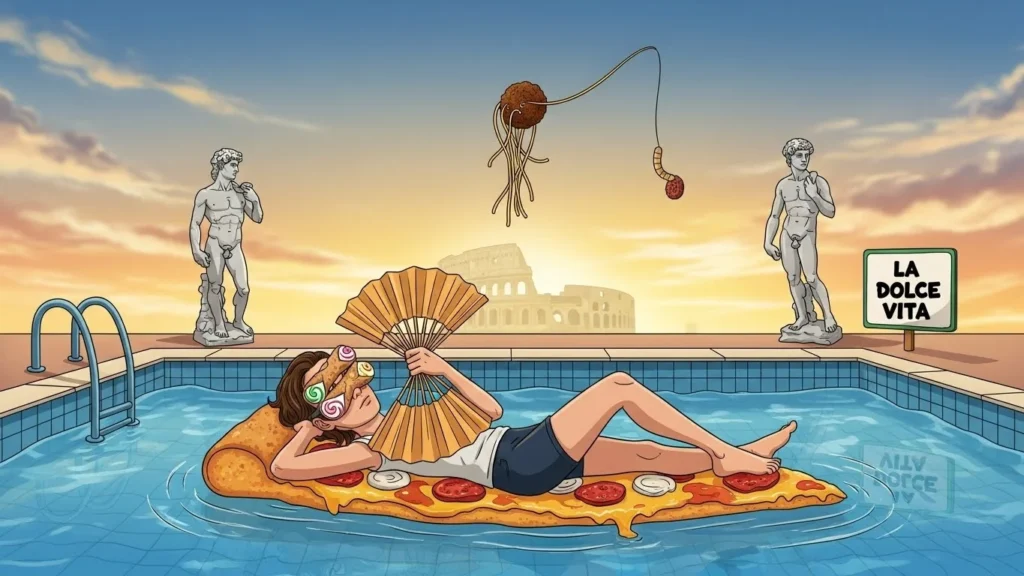
Dolce vita is an Italian phrase that means “the sweet life.”
It refers to:
Enjoying life’s pleasures
Living with ease and happiness
Valuing beauty, leisure, and connection
In simple words:
Dolce vita means living life slowly, joyfully, and with appreciation.
It’s not just about money—it’s about how you experience life.
Dolce Vita Meaning in Simple Terms
To understand it easily:
Dolce = sweet
Vita = life
So, dolce vita literally translates to “sweet life.”
Example:
“They moved to Italy to enjoy la dolce vita.”
This means they wanted a relaxed, joyful lifestyle.
Origin of the Phrase Dolce Vita
The phrase became globally popular after the 1960 Italian film “La Dolce Vita” directed by Federico Fellini.
Cultural Background
Originally, dolce vita described:
A glamorous lifestyle
Social scenes, art, fashion, and leisure
Post-war Italian society enjoying newfound freedom
Over time, the meaning evolved to include simple pleasures, not just luxury.
What Dolce Vita Really Represents
Dolce vita is about mindset, not excess.
It emphasizes:
Enjoying meals without rushing
Spending time with loved ones
Appreciating beauty and nature
Finding joy in small moments
A coffee in the sun, a long conversation, or a peaceful walk can all be dolce vita moments.
Dolce Vita vs Luxury Lifestyle
These two are often confused, but they are not the same.
Luxury lifestyle: Expensive, status-focused
Dolce vita: Emotional richness and balance
You don’t need wealth to live la dolce vita—you need presence and appreciation.
How People Use “Dolce Vita” in Modern Language
1. Social Media
Often used in captions to express joy or relaxation.
Example:
“Sunday mornings = la dolce vita.”
This suggests calm, happiness, and self-care.
2. Travel and Lifestyle Content
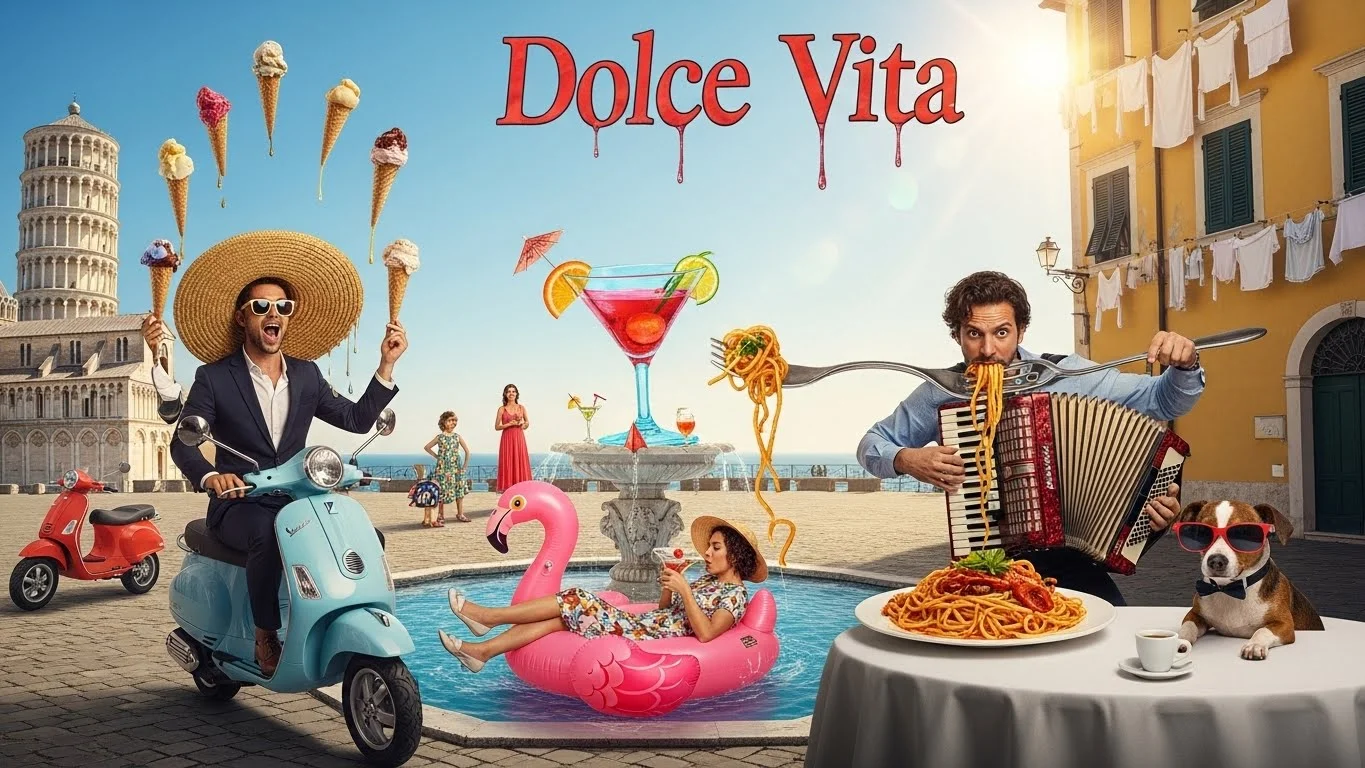
Used to describe relaxed, scenic experiences.
Example:
“Exploring the Italian coast, living the dolce vita.”
This highlights slow travel and enjoyment.
3. Fashion and Branding
Brands use dolce vita to suggest:
Elegance
Pleasure
Effortless beauty
It creates a romantic and aspirational feeling.
Real-Life Examples of Dolce Vita
Enjoying a homemade meal with family
Taking time off without guilt
Watching sunsets instead of rushing tasks
Savoring music, art, or conversation
Example sentence:
“After years of stress, she chose a dolce vita lifestyle.”
Dolce Vita as a Lifestyle Philosophy
Living dolce vita means:
Slowing down
Valuing quality over quantity
Choosing joy over constant hustle
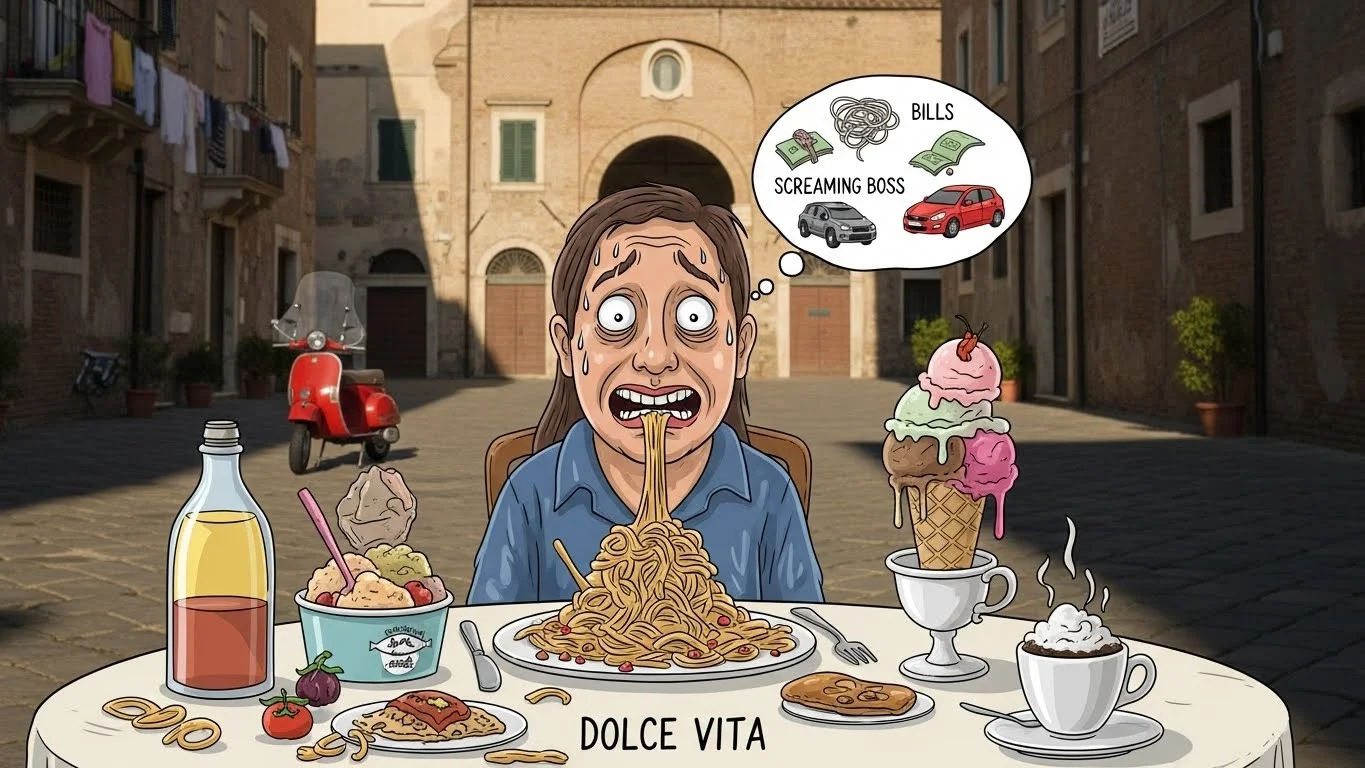
In today’s fast-paced world, it’s often seen as the opposite of burnout culture.
Common Misunderstandings About Dolce Vita
It’s only about luxury
False. It’s about appreciation.You need to live in Italy
No. It’s a mindset, not a location.It encourages laziness
No. It encourages balance.It’s outdated
Actually, it’s more relevant in 2026 than ever.
Why Dolce Vita Is Popular in 2026
In modern life:
People are tired of constant pressure
Mental health and balance matter more
Slow living is becoming popular
Dolce vita aligns with:
Self-care culture
Mindful living
Work-life balance
It reminds people that life is meant to be enjoyed, not rushed.
Related Words and Concepts
Slow living – Intentional, mindful lifestyle
Hygge – Danish concept of coziness
Lagom – Swedish idea of balance
Carpe diem – Seize the day
Joie de vivre – French joy of living
These ideas share similar values and make good internal linking opportunities.
When Using “Dolce Vita” Can Feel Awkward
Dolce vita may feel awkward when:
Used sarcastically in serious situations
Overused in marketing without meaning
Used to justify unhealthy habits
Context always matters.
Dolce Vita in Everyday Language
You don’t need to speak Italian fluently to use it.
Natural examples:
“This quiet life feels like dolce vita.”
“She’s learning to live la dolce vita.”
It’s commonly understood worldwide.