


What Does “Chaperone” Mean?
At its core, a chaperone is someone who supervises, accompanies, or protects others, often in social, educational, or professional situations.
Clear Definition
Chaperone (noun):
A person who accompanies others, especially young people, to ensure safety, proper behavior, or guidance.
Often used in schools, dances, trips, parties, or medical settings.
Chaperone (verb):
To accompany or supervise someone for their protection or guidance.
Meaning Based on Context
Social Events: Adult overseeing teenagers at dances, parties, or trips.
Schools: Teacher or parent accompanying students during outings.
Medical/Clinical: Someone assisting or watching over patients for safety.
Historical Context: Originally referred to a person who accompanied unmarried women in public for propriety.
Origin and History of the Word Chaperone
The word chaperone comes from the French word “chaperon,” meaning hood or head covering, because historically, chaperones literally “covered” or protected women’s reputations.
In the 19th and early 20th centuries, chaperones were usually older women accompanying young unmarried women in public.
Over time, the meaning evolved to include general supervision and protection in a variety of contexts.
How People Use “Chaperone” in Real Life
Common Situations
School Trips: Teachers act as chaperones for student field trips.
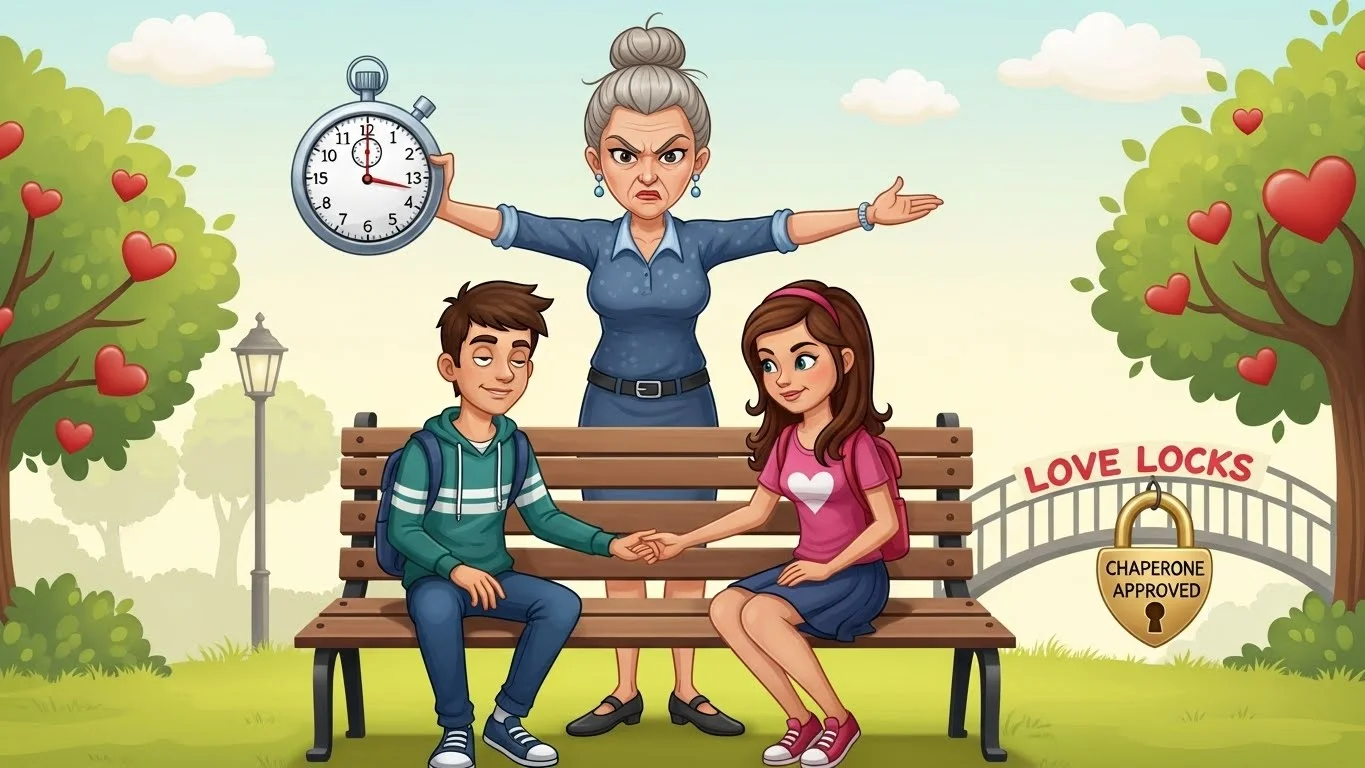
Social Events: Parents chaperone school dances or parties.
Medical Settings: A nurse or aide may chaperone a patient during exams.
Travel or Tours: Adults accompany minors to ensure safety.
Examples of Usage
“We need two parents to chaperone the school trip.”
“She was hired to chaperone the celebrity’s children on set.”
“A nurse will chaperone the patient during the procedure.”

Real-Life Examples of Chaperone Usage
Example 1: School Trip
“Mr. Smith will chaperone the students on the museum tour.”
Explanation: Teacher supervising students to ensure safety and proper behavior.
Example 2: Social Event
“My mom volunteered to chaperone the school dance.”
Explanation: Parent attending the dance to monitor and supervise teenagers.
Example 3: Medical Setting
“The doctor requested a chaperone during the examination.”
Explanation: Someone present to ensure comfort, professionalism, and safety.
Example 4: Historical Context
“In the 1920s, young women were often required to have a chaperone when going out in public.”
Explanation: Reflects the original meaning of protecting reputation and propriety.
Example 5: Travel Scenario
“The tour company provided a chaperone to accompany the student travelers.”
Explanation: Adult supervising young travelers for safety and organization.
Common Mistakes & Misunderstandings
Mistake 1: Thinking a Chaperone Only Supervises Teenagers
While common in school and social contexts, chaperones can be for adults, patients, or any group needing supervision.
Mistake 2: Confusing Chaperone With Guard
A chaperone guides and supervises politely, rather than acting as strict security.
Mistake 3: Misunderstanding Historical Context
Originally, chaperones were about protecting reputations, not just safety; modern use focuses on supervision and guidance.
Mistake 4: Using It as Slang
“Chaperone” is formal; casual slang alternatives like “supervisor” or “escort” have different connotations.
Related Words & Terms
Supervisor: Someone overseeing work, similar to a chaperone in responsibility.
Escort: Accompanies someone, sometimes for protection or social reasons.
Guardian: Responsible for someone’s safety, usually legally.
Monitor: Watches over or observes behavior.
Parent Volunteer: Often acts as a chaperone in schools or events.