

What Is the Buck Moon?
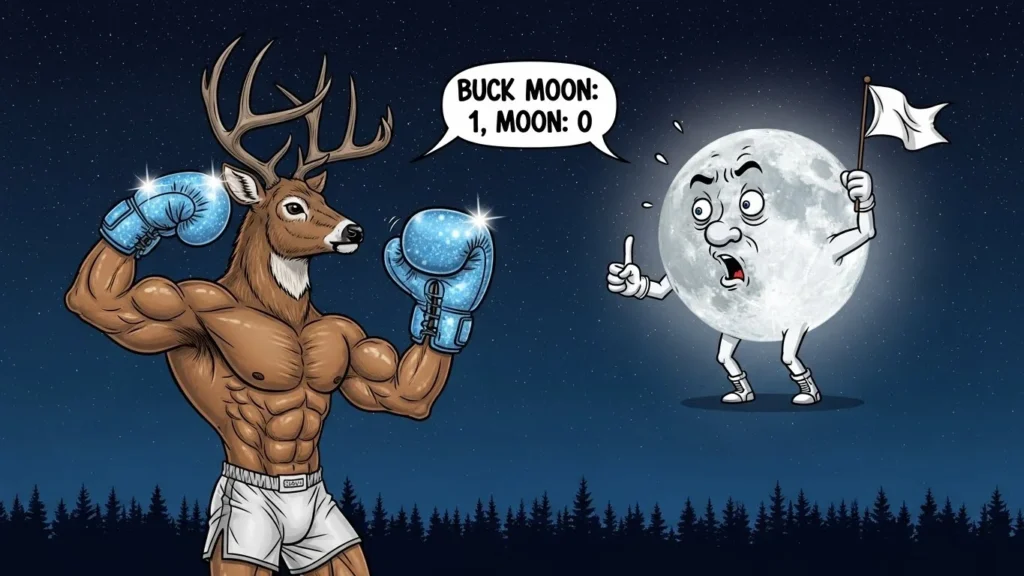
The Buck Moon is the full moon that occurs in July.
The name comes from Native American and early colonial traditions, where moons were named based on seasonal changes in nature. During July, male deer (bucks) begin to regrow their antlers, which inspired the name Buck Moon.
In simple terms:
The Buck Moon marks growth, strength, and renewal in the natural world.
What Does “Buck Moon” Mean?
The Buck Moon meaning is closely tied to nature, cycles, and transformation.
“Buck” refers to a male deer
“Moon” refers to the July full moon
Together, they symbolize regrowth, power, and maturity
Core Meanings of the Buck Moon
Physical and personal growth
Renewal and rebuilding
Strength, resilience, and confidence
Preparing for future challenges
This is why many cultures see the Buck Moon as a time to reflect on progress and personal development.
Origin of the Buck Moon Name
The Buck Moon name comes from Native American tribes, particularly those who closely observed wildlife and seasonal patterns.
Why July?
Bucks shed their antlers each year
In early summer, new antlers begin growing
These antlers grow quickly and symbolize fresh starts and rising strength
European settlers later adopted these moon names, and they’ve remained part of modern lunar calendars.
Other Names for the Buck Moon
Different cultures had their own names for July’s full moon, including:
Thunder Moon – Due to frequent summer storms
Hay Moon – Linked to hay harvesting season
Salmon Moon – Used by tribes where salmon runs occurred
Raspberry Moon – Referring to ripe berries in midsummer
All of these names reflect abundance, activity, and growth, reinforcing the Buck Moon’s meaning.
Spiritual Meaning of the Buck Moon
Spiritually, the Buck Moon is associated with personal evolution and inner strength.
Spiritual Themes
Stepping into confidence
Reclaiming personal power
Letting go of self-doubt
Building long-term goals
Many people believe the Buck Moon is a powerful time to:
Set intentions
Practice self-reflection
Focus on self-improvement
Symbolically: Just as a buck regrows stronger antlers, people are encouraged to grow stronger mentally, emotionally, or spiritually.
Buck Moon Meaning in Astrology
In astrology, the Buck Moon’s influence depends on which zodiac sign it falls in, but general themes remain consistent.
Common Astrological Interpretations
Career growth and ambition
Strengthening boundaries
Emotional maturity
Evaluating progress made since the start of the year
Astrologers often describe the Buck Moon as a checkpoint full moon, encouraging reflection on how far you’ve come and what still needs work.
How People Use the Term “Buck Moon” Today
The term Buck Moon is widely used in modern culture, especially online.
Common Places You’ll See It
Instagram and TikTok captions
Moon calendars and astrology apps
News headlines and weather reports
Spiritual and wellness blogs
Example Usage
“The Buck Moon is glowing tonight—perfect time to reset goals.”
“July’s Buck Moon symbolizes growth and strength.”
“Don’t miss the Buck Moon this weekend.”
In modern usage, it often blends astronomy with spirituality and self-care themes.
Scientific Perspective: Is the Buck Moon Astronomically Special?
From a scientific standpoint, the Buck Moon is astronomically a normal full moon.
What makes it special is:
Its timing in the seasonal cycle
Its cultural and symbolic meaning
There is no difference in size, gravity, or brightness compared to other full moons—its significance is human and historical, not physical.
Common Misunderstandings About the Buck Moon
The Buck Moon looks different
No, it looks like a regular full moon.It only relates to astrology
False. Its roots are ecological and cultural.It happens on the same date every year
Full moons shift slightly each year.It has something to do with money (“bucks”)
No connection at all—this is about deer.
Related Moon Names You Might Hear
Wolf Moon – January
Snow Moon – February
Pink Moon – April
Strawberry Moon – June
Harvest Moon – September
These names, like Buck Moon, reflect seasonal changes and natural events, not color or physical changes.
Why the Buck Moon Still Matters in 2026
Even in a modern world, the Buck Moon remains relevant because:
People crave natural rhythms and grounding
It encourages reflection and self-growth
It connects ancient traditions with modern life
It’s a reminder that growth is cyclical, not instant
For many, the Buck Moon is a symbolic pause to assess personal strength and direction.