
What Does “Body Habitus” Mean in Medical Terms?
In medicine, body habitus refers to a person’s overall physical body build and structure. It describes how a body looks in terms of size, shape, proportions, and fat or muscle distribution.
Clear Definition
Body habitus (medical term): A general description of a person’s physical build, including body size, shape, posture, and composition.
Importantly, body habitus is descriptive, not judgmental. It is not a diagnosis and does not automatically indicate health or disease.
Origin and History of the Term
The term comes from Latin habitus, meaning “condition” or “appearance.” It has been used in medicine for decades to help clinicians quickly describe a patient’s physical characteristics, especially when interpreting exams or imaging.
How Doctors Use “Body Habitus” in Real Medical Settings
Doctors use body habitus as a shorthand observation during exams, imaging, and documentation.
Common Medical Situations
Physical examinations
X-rays, CT scans, and MRIs
Surgery planning
Anesthesia assessment
Medical notes and reports
For example, a radiologist may note body habitus because body size can affect image clarity or positioning during scans.
Why Body Habitus Matters Clinically
Body habitus can influence:
Medication dosing
Imaging quality
Surgical approach
Breathing mechanics
Risk assessment
It helps healthcare providers tailor care more accurately.
Common Types of Body Habitus (Simple Breakdown)
Doctors may describe body habitus using general categories—not labels, but clinical descriptors.
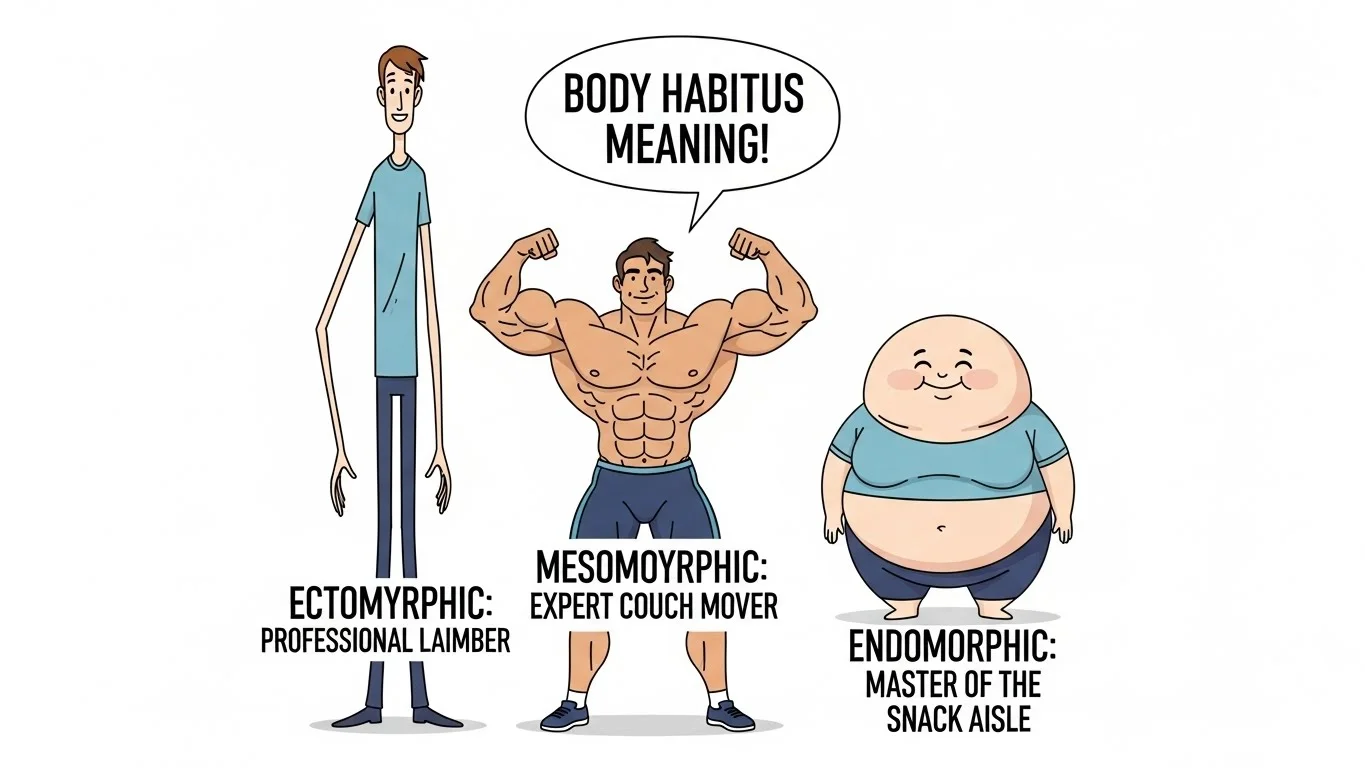
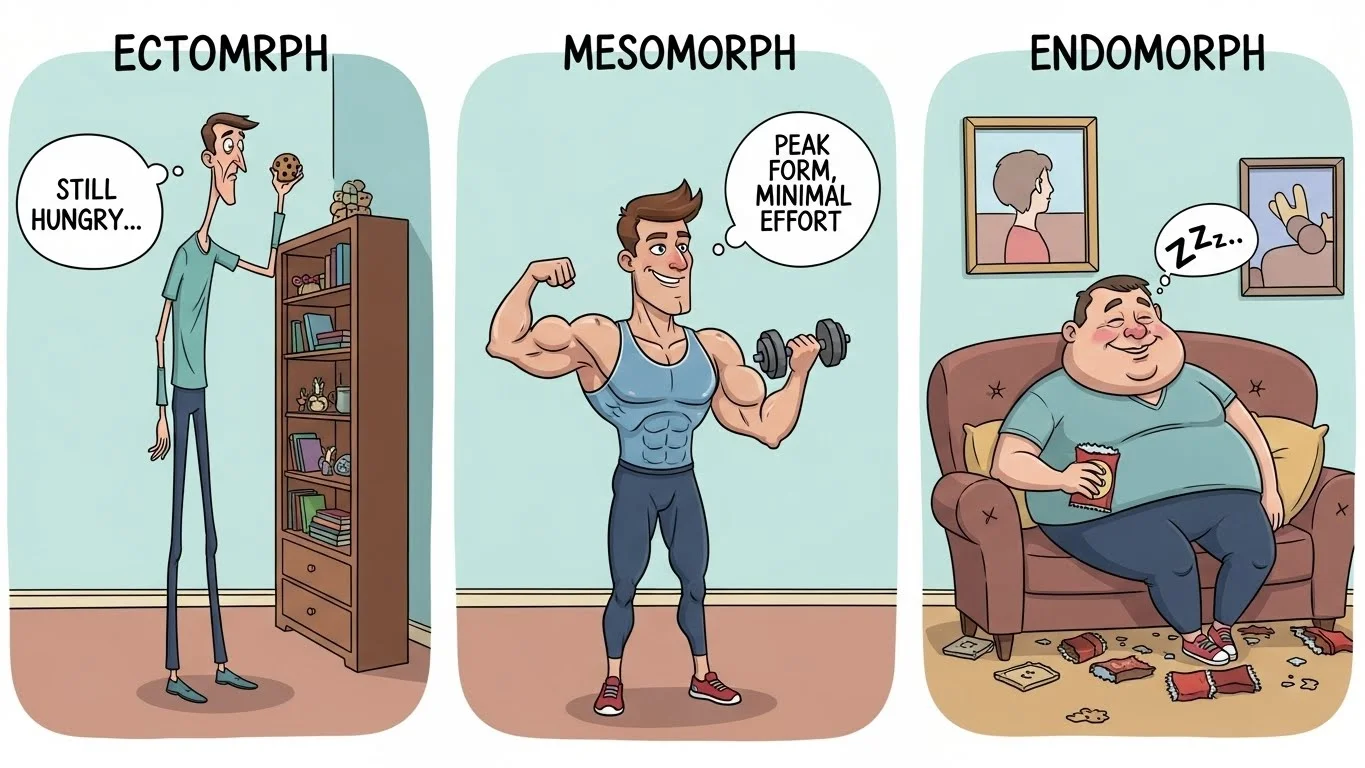
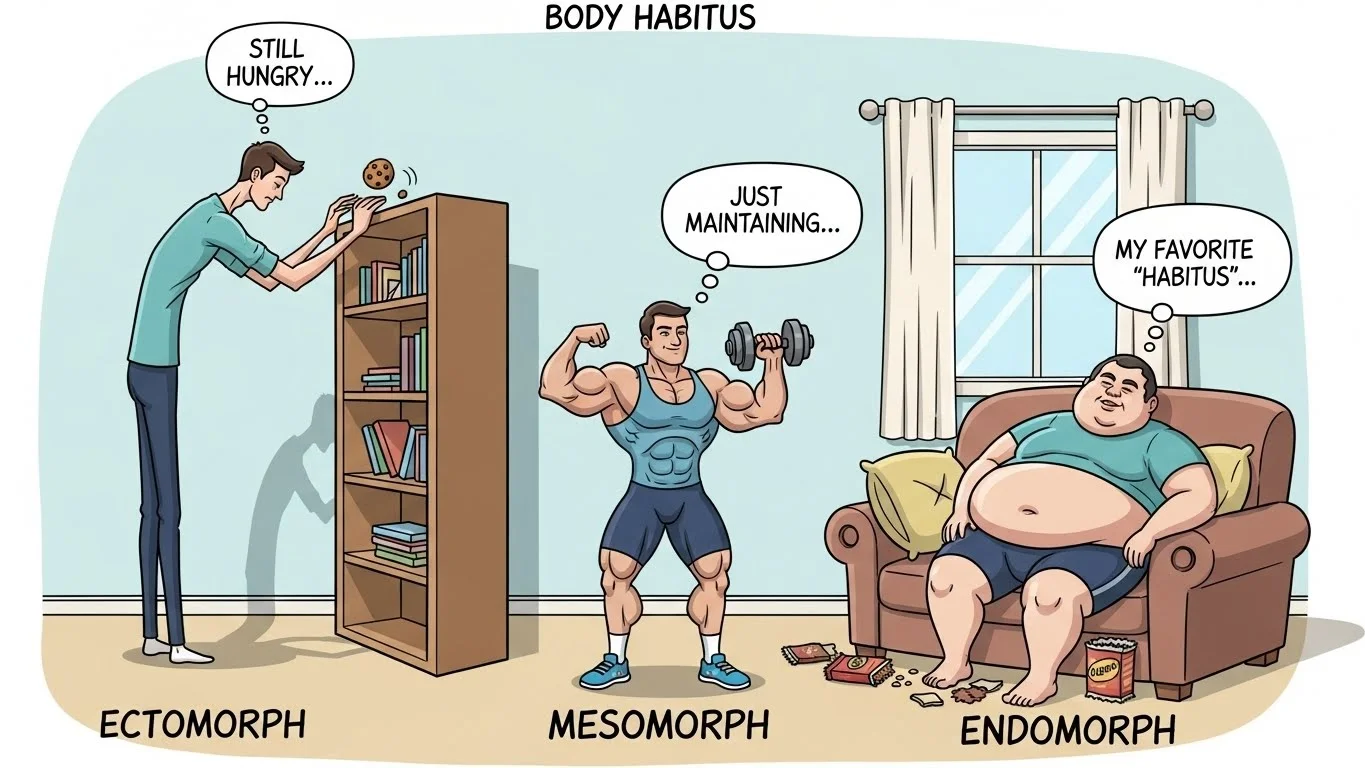
1. Ectomorphic
Lean or thin build
Long limbs
Low body fat
2. Mesomorphic
Muscular and well-proportioned
Broad shoulders
Athletic appearance
3. Endomorphic
Higher body fat
Rounder body shape
Softer appearance
These terms are descriptive tools and not strict classifications.
Body Habitus Meaning in Medical Reports
When you see body habitus in a report, it often appears in neutral language.
Common Report Phrases
“Imaging limited by body habitus”
“Body habitus within normal limits”
“Large body habitus noted”
What These Phrases Actually Mean
Limited by body habitus: Image quality was affected by body size or shape
Within normal limits: Nothing unusual noted
Large or small body habitus: Descriptive observation, not a diagnosis
Seeing the term does not mean something is wrong.
Real-Life Examples of “Body Habitus” Usage
These examples show how body habitus meaning works in real medical contexts.
Example 1: Imaging
“The CT scan was slightly limited due to body habitus.”
Explanation:
Body size affected image clarity, not health.
Example 2: Physical Exam
“Patient has a slender body habitus.”
Explanation:
Describes overall build.
Example 3: Surgery Notes
“Surgical positioning adjusted for patient’s body habitus.”
Explanation:
Used to plan safe procedures.
Example 4: Medical Chart
“Obese body habitus noted.”
Explanation:
Clinical description, not criticism.
Example 5: Anesthesia
“Airway assessment considers body habitus.”
Explanation:
Important for patient safety.
Common Mistakes & Misunderstandings
Many people misunderstand body habitus meaning because of how it sounds.
Mistake 1: Thinking It’s an Insult
Body habitus is a neutral medical term, not a personal judgment.
Mistake 2: Assuming It’s a Diagnosis
It describes appearance, not disease.
Mistake 3: Confusing It With BMI
BMI is a numerical calculation; body habitus is observational.
Mistake 4: Thinking It Only Refers to Weight
Body habitus includes posture, proportions, and build—not just fat.
Why Doctors Use Body Habitus Instead of Weight Alone
Weight alone doesn’t tell the full story. Two people can weigh the same but have very different body habitus.
Doctors prefer body habitus because it:
Gives visual and structural context
Helps anticipate clinical challenges
Improves communication between professionals
It’s a practical tool, not a value statement.
Related Medical Terms You Might See
If you’re researching body habitus, these related terms often appear:
BMI (Body Mass Index): Weight-to-height ratio
Anthropometry: Body measurements
Physique: General body shape
Somatotype: Body type classification
Obesity: Medical condition, not the same as habitus
Understanding these helps reduce confusion when reading medical notes.