
What Does “Addicted” Mean in Chat or Text?
The word addicted is an adjective. Its literal meaning is:
“Physically or mentally dependent on something, often in a way that’s difficult to control.”
Key Meanings:
Medical or Serious Addiction
Refers to dependence on substances like drugs, alcohol, or medications.
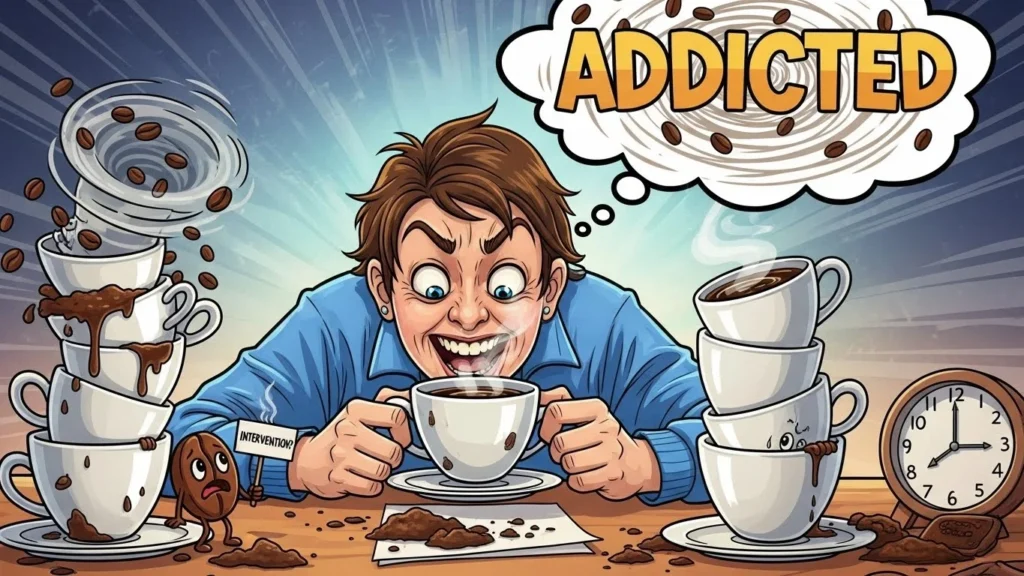
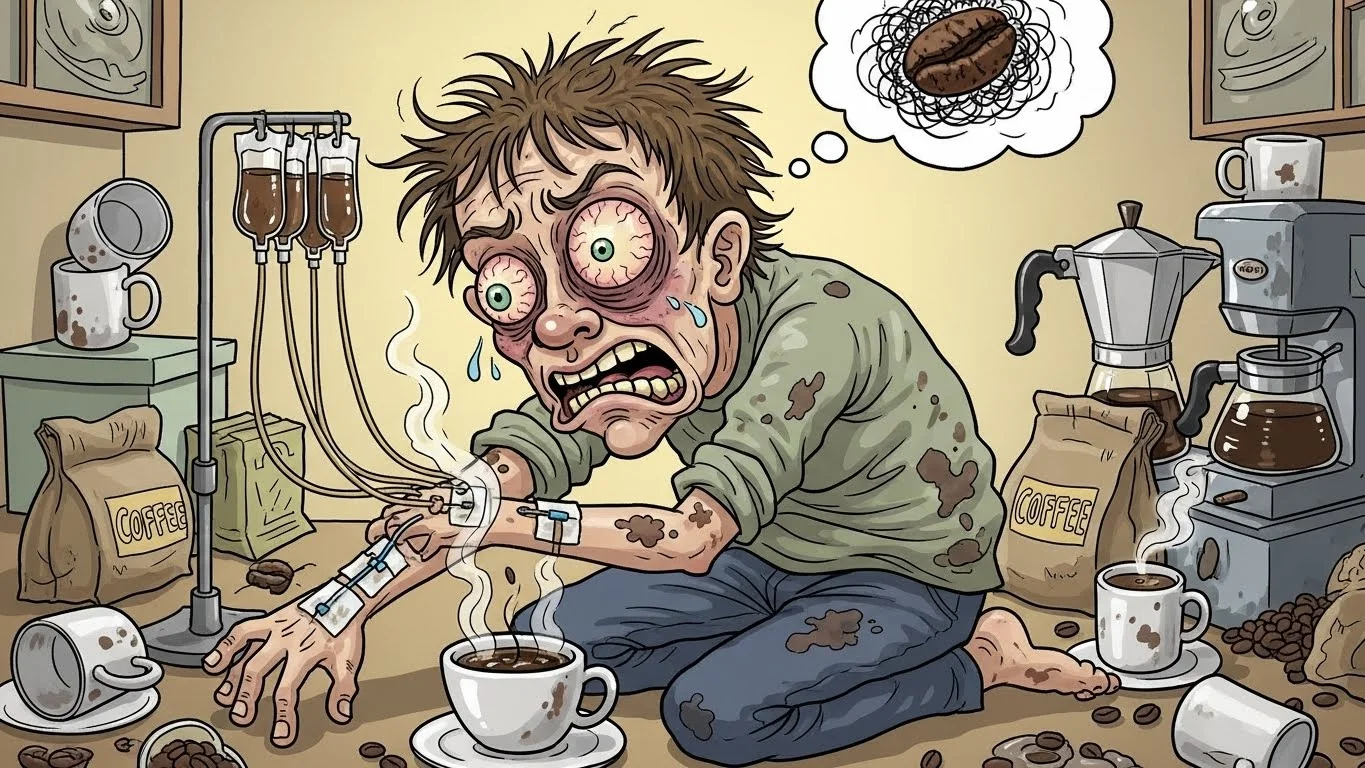
Example: “He was addicted to caffeine and couldn’t function without his morning coffee.”
Casual or Figurative Usage
Used to describe strong enthusiasm or obsession with something non-harmful.
Example: “I’m addicted to this new Netflix series.”
Commonly used for games, social media, snacks, shopping, or hobbies.
Usage in Chat/Internet Slang
Often playful or humorous.
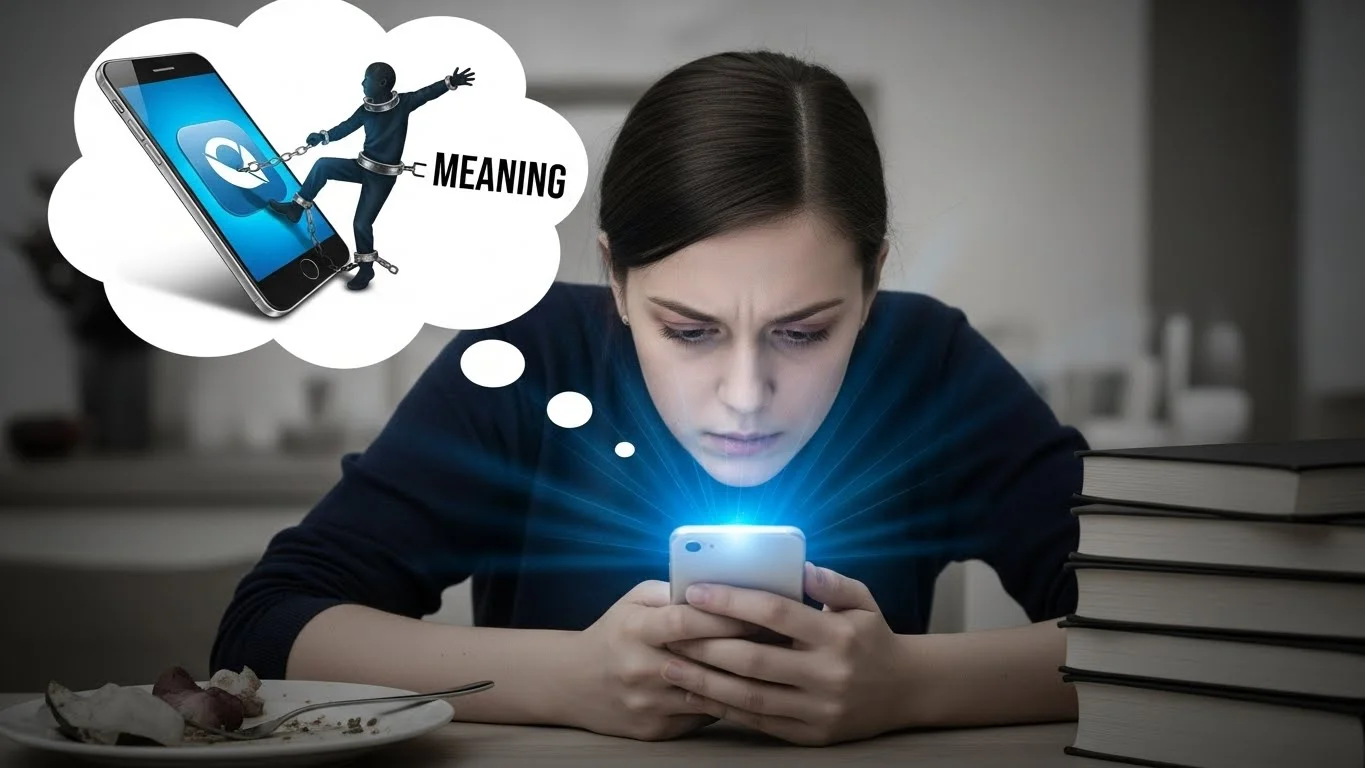
Example: “I’m addicted to scrolling TikTok, help!”
Shows a fun exaggeration rather than a serious medical condition.
Origin & History
The word addicted comes from Latin addictus, meaning “to devote or surrender,” originally used in legal contexts. Over time, it evolved to describe physical dependence and then extended metaphorically to habits or passions.
How People Use “Addicted” in Real Conversations
The term addicted can appear in various casual and serious contexts:
Platforms:
Texting & Messaging: Sharing habits or obsessions with friends
Social Media: Instagram, Twitter/X, TikTok, and YouTube posts often mention addictions humorously or as a trend
Gaming: Refers to strong engagement or obsession with games
Health & Awareness Campaigns: Discusses substance addiction seriously
When to Use:
To express strong enthusiasm for something enjoyable
To describe habits, hobbies, or obsessions playfully
To discuss medical or serious dependence respectfully
When to Avoid:
Using casually in contexts involving serious addiction issues
Making jokes about serious substance abuse in sensitive discussions
Real-Life Examples of “Addicted” in Text Messages
Here are practical examples of addicted in modern chat:
Casual Chat About Hobbies
Friend 1: “What are you doing tonight?”
Friend 2: “Can’t stop playing this new game, I’m addicted!”
Explanation: Shows strong enthusiasm for gaming.
Social Media Caption
“I’m addicted to this playlist, listening on repeat all day!”
Explanation: Expresses a fun obsession with music.
Gaming or Online Forum
“Anyone else addicted to leveling up in this RPG?”
Explanation: Refers to being hooked on gameplay mechanics.
Health Awareness Example
“He was addicted to nicotine for years, but now he’s quitting.”
Explanation: Serious context describing substance dependence.
Humorous Meme Style
“Me after 5 minutes on TikTok: completely addicted”
Explanation: Playful exaggeration of social media engagement.
Common Mistakes & Misunderstandings
Even casual users can misinterpret addicted:
Overusing for minor habits: Saying “addicted” for something small can feel exaggerated.
Misapplying in serious contexts: Avoid joking about substance addiction in sensitive settings.
Confusing with “obsessed”: While similar, “obsessed” often implies fascination, while “addicted” implies compulsive repetition or dependency.
Tone misinterpretation: In text, it may be unclear whether the statement is serious or playful—context matters.
Related Words & Abbreviations
If you’re learning addicted, you may also see:
Hooked – Informal synonym for being strongly engaged
Obsessed – Similar meaning, slightly less compulsive
Dependent – Formal or medical term for addiction
Fanatic – Extreme enthusiasm or devotion