
What Does “ASCVD” Mean in Medical or Health Contexts?
ASCVD stands for Atherosclerotic Cardiovascular Disease.
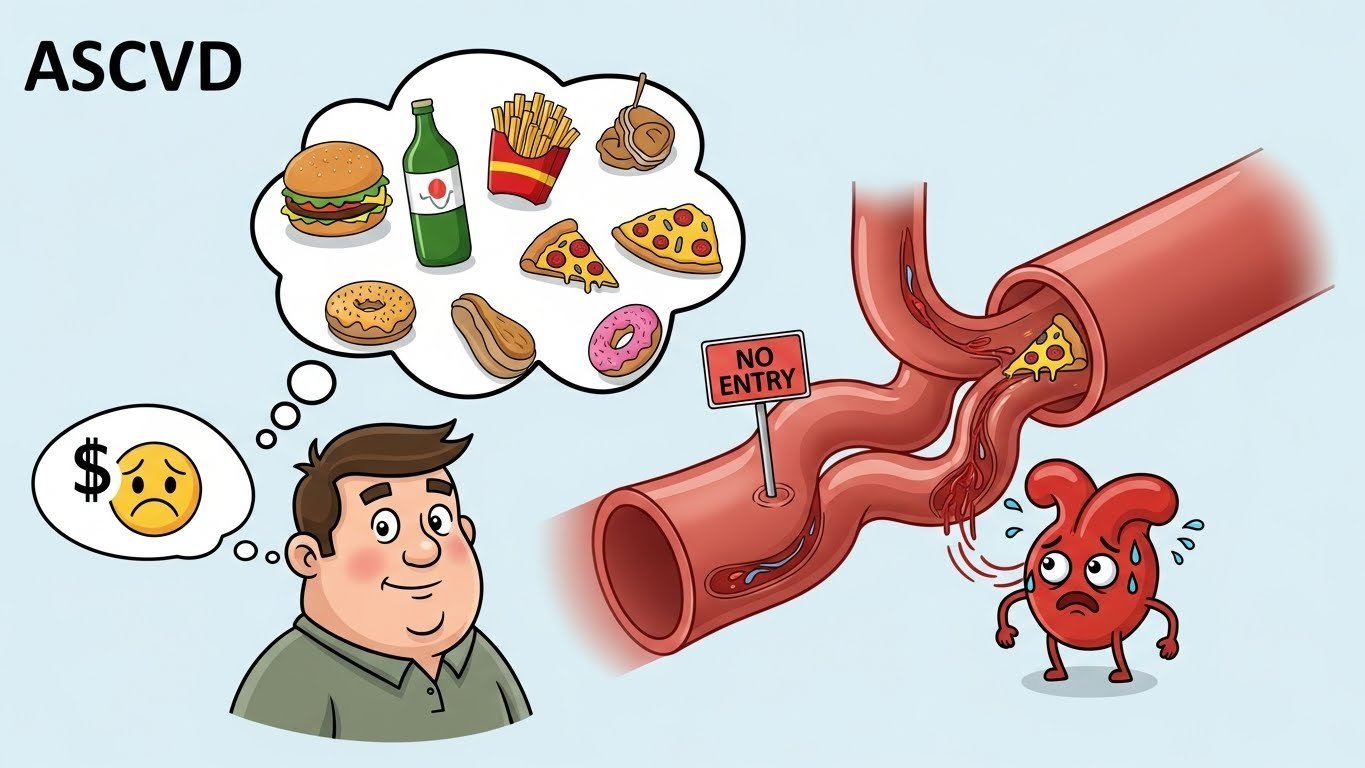
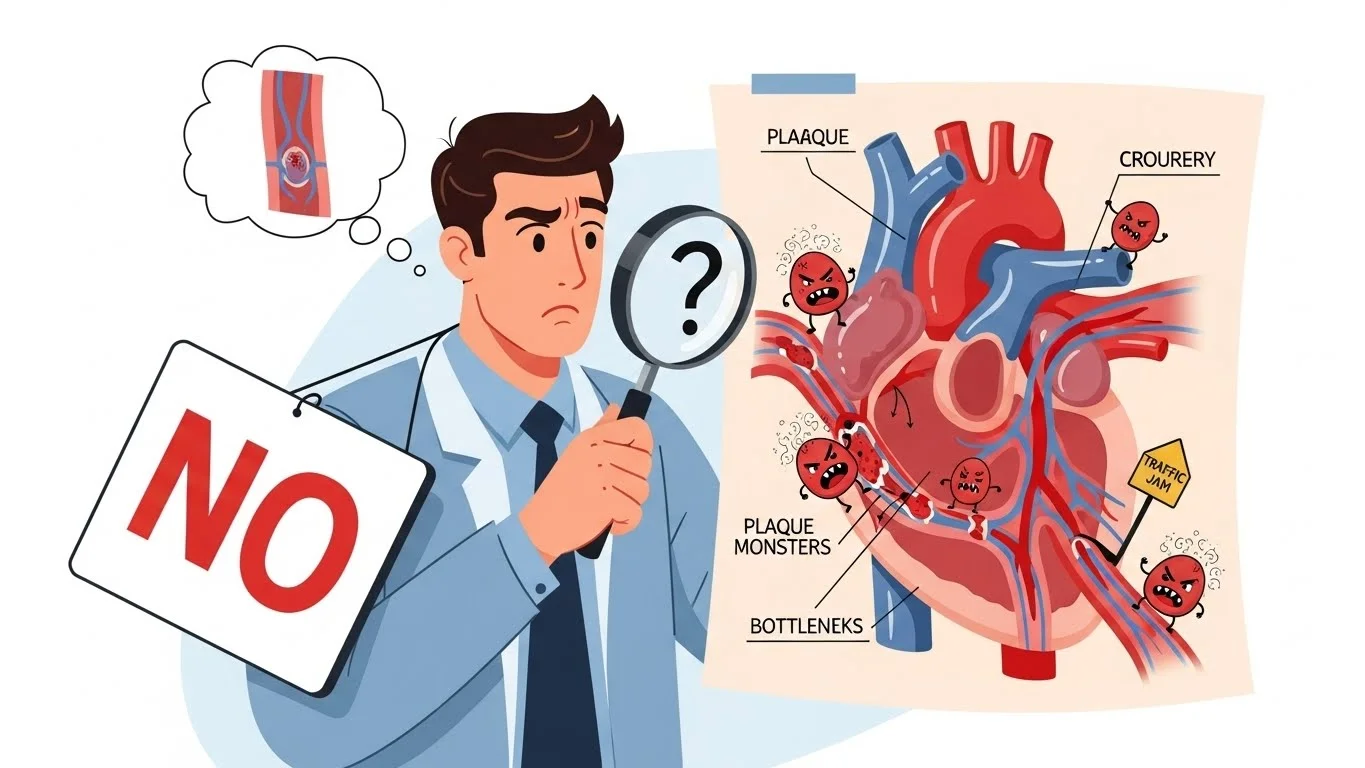
In simple terms, ASCVD is a group of heart and blood vessel diseases caused by plaque buildup in the arteries. This plaque is made of cholesterol, fat, calcium, and other substances that stick to artery walls over time.
Plain-English Definition
ASCVD = heart and blood vessel problems caused by clogged or hardened arteries
Doctors use this term as an umbrella label rather than naming each condition separately.
Conditions Included Under ASCVD
ASCVD isn’t one disease — it includes several serious conditions, such as:
Coronary artery disease (CAD)
Heart attack (myocardial infarction)
Stroke (ischemic stroke)
Transient ischemic attack (TIA or “mini-stroke”)
Peripheral artery disease (PAD)
Carotid artery disease
If a doctor says someone “has ASCVD,” it means they’ve had one or more of these conditions or are at very high risk of developing them.
Origin & Medical Background
The term ASCVD became popular in medical guidelines during the 2000s, especially with cholesterol and statin treatment recommendations. Organizations like the American Heart Association and American College of Cardiology use ASCVD to standardize risk assessment across patients.
So while ASCVD may look like a modern abbreviation, it’s actually a clinical medical term, not chat slang.
How People Use “ASCVD” in Real Conversations
Unlike internet slang, ASCVD is mostly used in medical, health, and educational settings, but people do talk about it informally when discussing health.
Where You’ll See ASCVD Used
Doctor appointments
Lab reports and medical records
Health apps and portals
Medical forums and Reddit threads
Insurance documents
Articles about cholesterol or statins
Examples of How It’s Used
People might say things like:
“My doctor said I’m at high risk for ASCVD.”
“ASCVD runs in my family.”
“This medication lowers ASCVD risk.”
“My cholesterol levels increase my ASCVD score.”
Appropriate vs Awkward Usage
Appropriate:
Talking to doctors or nurses
Discussing test results
Reading medical articles
Health-related discussions
Awkward or incorrect:
Casual texting (“lol ASCVD vibes”)
Social media jokes
Using it as slang
ASCVD is serious medical language, not casual chat shorthand.
Real-Life Examples of “ASCVD” in Medical Messages
Here are realistic, easy-to-understand examples of how ASCVD appears in real life — along with explanations.
Example 1
“Patient has a history of ASCVD and requires statin therapy.”
Meaning:
The patient already has cardiovascular disease caused by plaque buildup and needs cholesterol-lowering medication.
Example 2
“Your ASCVD risk score is 12% over the next 10 years.”
Meaning:
There’s a 12% chance of developing serious heart disease or stroke in the next decade.
Example 3
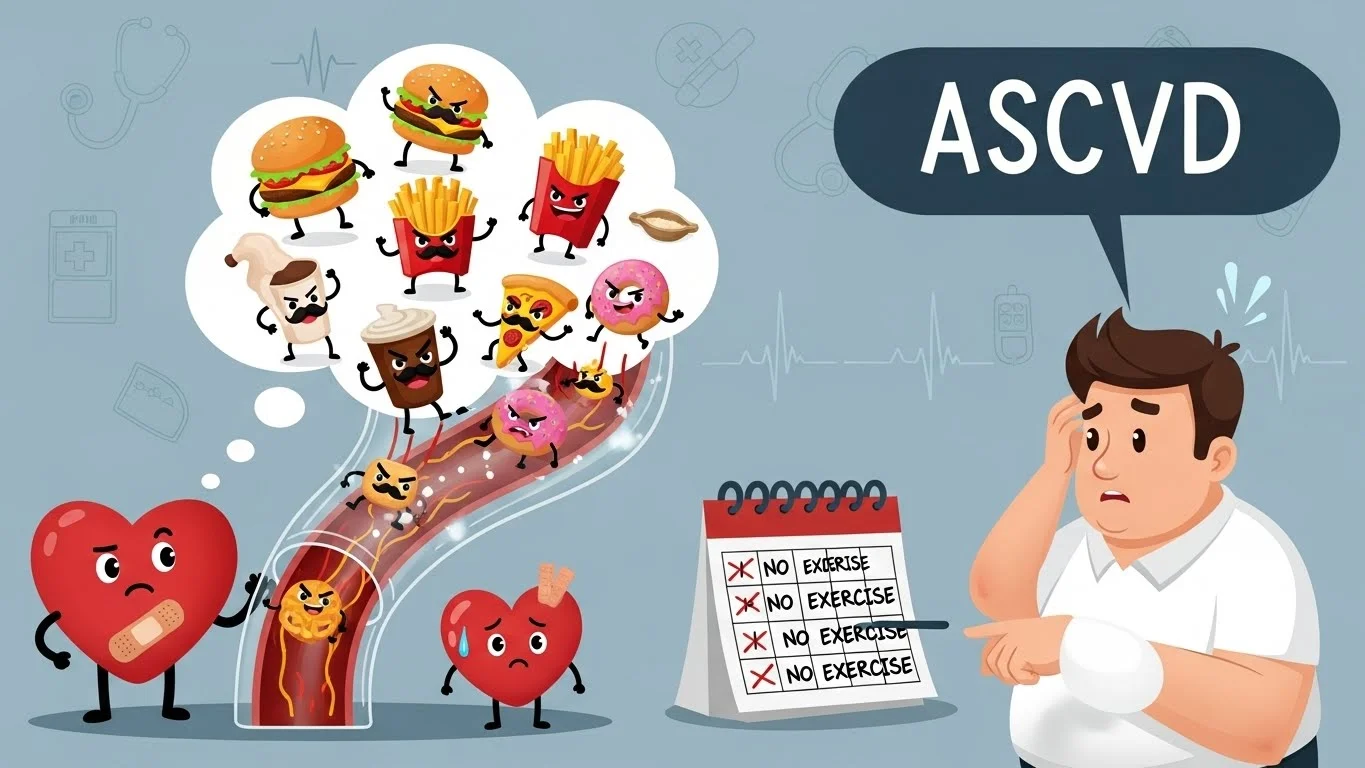
“Lifestyle changes can significantly reduce ASCVD risk.”
Meaning:
Diet, exercise, quitting smoking, and weight control can lower heart disease risk.
Example 4
“Family history of premature ASCVD noted.”
Meaning:
Close relatives had early heart disease, increasing your personal risk.
Example 5
“No known ASCVD, but elevated LDL cholesterol.”
Meaning:
You don’t have diagnosed heart disease yet, but cholesterol levels are concerning.
What Is an ASCVD Risk Score? (Very Important)
One of the most common places people see this term is in the ASCVD risk calculator.
What Is It?
The ASCVD risk score estimates your chance of having a heart attack or stroke within the next 10 years.
Factors Used in the Calculation
Doctors calculate ASCVD risk using:
Age
Gender
Blood pressure
Total cholesterol
LDL (“bad”) cholesterol
HDL (“good”) cholesterol
Smoking status
Diabetes status
Why Doctors Care About It
The ASCVD score helps decide:
Whether you need statins
How aggressive treatment should be
How urgent lifestyle changes are
This is why ASCVD appears so often in cholesterol discussions.
Common Mistakes & Misunderstandings About ASCVD
Because it looks like an abbreviation or slang, ASCVD is often misunderstood.
Mistake 1: Thinking ASCVD Is Internet Slang
It’s not used in texting, gaming, or social media slang. It’s purely medical.
Mistake 2: Thinking ASCVD Is One Specific Disease
ASCVD is a category, not a single condition.
Mistake 3: Confusing Risk With Diagnosis
ASCVD risk = chance of future disease
ASCVD diagnosis = disease already present
These are very different.
Mistake 4: Assuming Young People Can’t Have ASCVD
While risk increases with age, young adults can still develop ASCVD, especially with genetics, smoking, or poor lifestyle habits.
Mistake 5: Believing ASCVD Is Untreatable
ASCVD can often be:
Prevented
Slowed
Managed effectively
Early detection makes a huge difference.
ASCVD vs Similar Medical Terms (Don’t Mix These Up)
Here’s how ASCVD compares to other commonly confused terms:
ASCVD vs CVD
CVD (Cardiovascular Disease): Broad category
ASCVD: Specific type caused by atherosclerosis (plaque buildup)
ASCVD vs CAD
CAD (Coronary Artery Disease): One condition
ASCVD: Includes CAD plus stroke, PAD, and more
ASCVD vs Atherosclerosis
Atherosclerosis: Plaque buildup process
ASCVD: Diseases caused by that process
Related Medical Abbreviations You May See
If you’re reading about ASCVD, you’ll often see these related terms:
LDL: Low-density lipoprotein (bad cholesterol)
HDL: High-density lipoprotein (good cholesterol)
TG: Triglycerides
CAD: Coronary artery disease
PAD: Peripheral artery disease
TIA: Transient ischemic attack
MI: Myocardial infarction (heart attack)
BP: Blood pressure
These terms are commonly linked in medical articles and health records.
Why Understanding ASCVD Actually Matters
Knowing the ASCVD meaning isn’t just about decoding medical jargon — it can affect real-life decisions.
It Helps You:
Understand doctor recommendations
Make sense of lab results
Take cholesterol seriously
Recognize long-term heart risk
Ask better questions during appointments
Health literacy saves lives, and ASCVD is a core concept in modern preventive medicine.