
What Does “Tener” Mean in Chat or Text?
The primary meaning of “tener” comes from Spanish, where it literally means “to have”. However, in online English-speaking contexts, it has evolved into something more playful and meme-oriented.
Literal Spanish Meaning
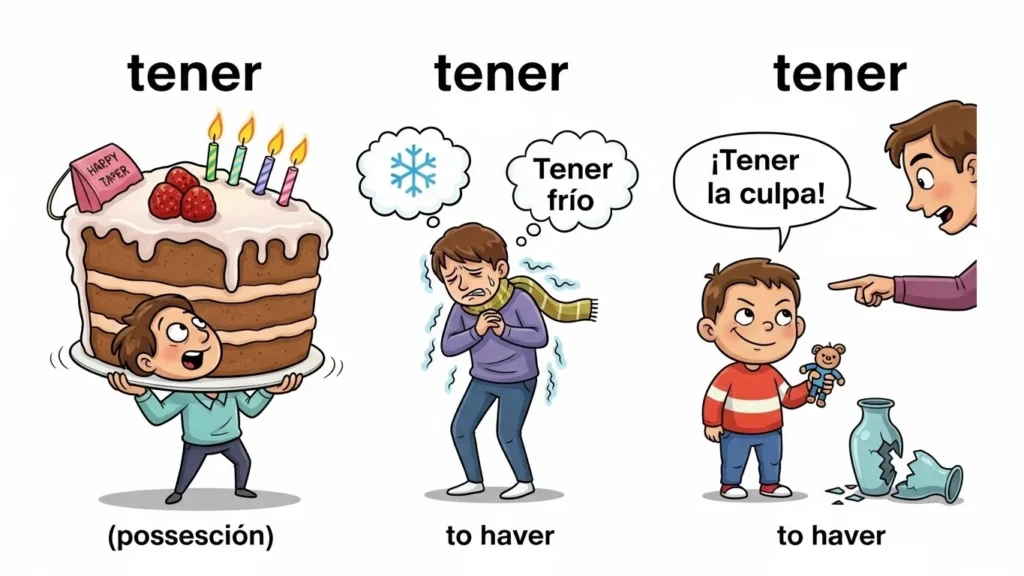
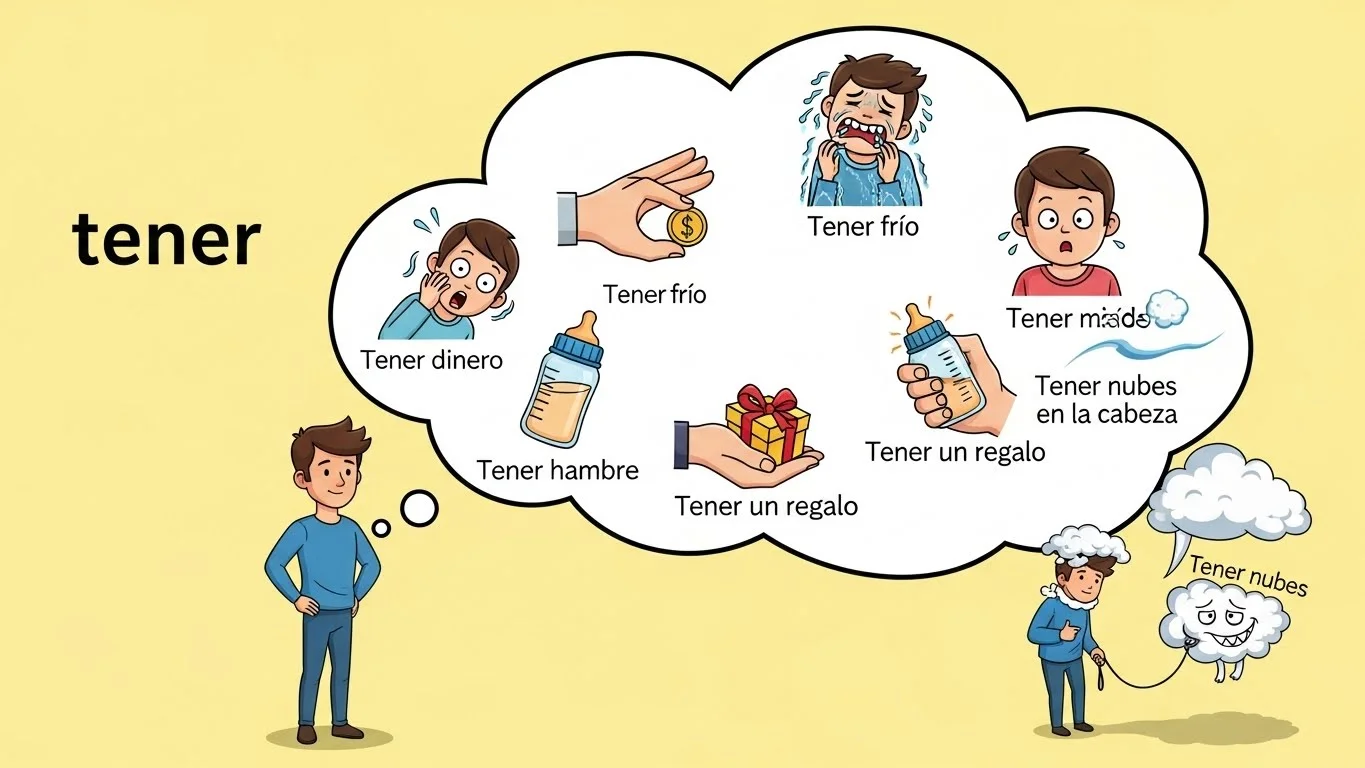
In Spanish, tener is a verb used to indicate possession, feelings, or obligations:
Possession: “Tengo un coche” → “I have a car”
Physical feelings: “Tengo frío” → “I am cold” (literally, “I have cold”)
Obligations: “Tengo que estudiar” → “I have to study”
Spanish speakers use tener daily, but internet users often adopt it in bilingual or joking contexts, mixing it with English in casual chats.
Online Chat Meaning
When English speakers use tener, it’s often part of playful bilingual slang. Examples:
“I tener no clue what’s happening” → mixing English and Spanish for humor
“Me after school: tener too much homework” → casual meme-style usage
It’s not just random—it’s part of a growing trend where bilingual teens and young adults blend languages to make messages fun, relatable, and slightly quirky.
Origin & History
The word tener comes from Latin tenere, meaning “to hold or keep.” Its rise in English-dominated online chats is recent, mostly fueled by social media, memes, and bilingual communication. As more people mix English with other languages online, terms like tener have become a natural part of internet slang.
How People Use “Tener” in Real Conversations
Understanding context is key when using tener online. Here’s where it shows up most:
Texting
Among bilingual friends, tener is often used casually:
Friend 1: “You coming to the party?”
Friend 2: “I tener no energy lol”
This playful mix of English and Spanish keeps the conversation light and humorous.
Social Media
Instagram & Twitter: Often used in captions or memes
Example: “Me on Monday morning: tener too much homework”
Snapchat & TikTok: Short clips and captions sometimes include tener to mimic Spanish-English mashups
Gaming & Discord
Gamers sometimes mix languages for humor or to express frustration:
“I tener 0 health left, help!”
Using tener adds a quirky touch to the chat, signaling casual, friendly tone
Dating Apps
Rarely, but occasionally, tener is used in playful flirting between bilingual users:
“I tener a surprise for you 😏”
This shows personality, humor, and language skill
When to Use Tener
Casual, playful conversations
Bilingual jokes or memes
Messaging friends who understand Spanish or enjoy light-hearted slang
When to Avoid
Formal communication
Professional emails
Audiences unfamiliar with Spanish
Real-Life Examples of “Tener” in Text Messages
Seeing tener in action makes it much easier to understand:
Bilingual Play
Friend 1: “You studying for the test?”
Friend 2: “I tener no motivation today”
Explanation: A playful mix of English and Spanish meaning “I have no motivation.”
Meme Caption
“Me: I’ll start eating healthy tomorrow
Also me: tener pizza for breakfast”Explanation: Using tener humorously in meme-style captions.
Casual Chat Among Friends
“Can’t believe I tener three exams tomorrow”
Explanation: Refers to “I have three exams tomorrow,” casual bilingual style.
Gaming Chat Example
“Guys, I tener no potions left!”
Explanation: Adds humor while expressing urgency in multiplayer games.
Social Media Comment
“When you tener too many responsibilities and zero free time”
Explanation: Common caption format for relatable memes
Common Mistakes & Misunderstandings
Even experienced texters can misinterpret tener. Watch out for these pitfalls:
Confusing with American Sign Language (ASL):
Some people mistakenly think tener refers to ASL signs. It does not.Using it in the wrong context:
Formal English sentences shouldn’t include tener:Wrong: “I tener a meeting at 9 AM”
Correct: “I have a meeting at 9 AM”
Tone misinterpretation:
Without context, some may assume you’re trying to speak Spanish seriously, not joking or mixing slang.Overuse in casual chat:
While funny in moderation, too many tener jokes can feel forced or confusing.

Related Slangs & Abbreviations
When exploring tener, you might notice other related chat terms:
“Tengo” – Spanish for “I have,” used directly in memes
“Hablar” – “to talk,” sometimes mixed in chats
“LOL” – universally used, often accompanies bilingual jokes
“Binge” – short for binge-watch, often paired humorously with tener: “tener Netflix all night”
These related terms give more flexibility and make your online conversations richer and more relatable.