
What Does “GTD” Mean in the NBA?
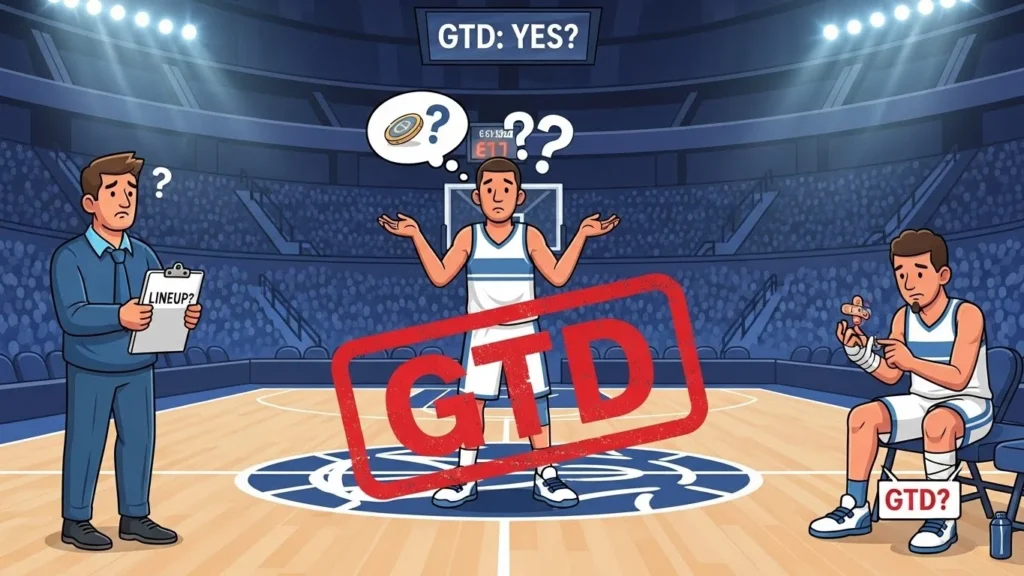
In the NBA, GTD stands for Game-Time Decision.
Definition:
A player listed as GTD has a minor injury, soreness, or condition that will be evaluated right before the game starts to decide whether they will play.
Key points to understand:
The player is not ruled out
The player is not confirmed to play
Final decision happens close to tip-off
Why teams use GTD:
To monitor pain, stiffness, or recovery after warm-ups
To keep opponents guessing about lineups
To manage player load during long seasons
In short, GTD means uncertainty, not absence.
How NBA Teams Use GTD Status
NBA teams are very strategic with injury designations, and GTD is one of the most common labels.
Common reasons for GTD
Muscle soreness
Minor ankle or knee tweaks
Back tightness
Illness or fatigue
Load management concerns
Official injury report flow
Probable: Very likely to play
Questionable: 50/50 chance
GTD: Decision made just before the game
Out: Will not play
While GTD is not always an official league category, it’s widely used by media, teams, and fantasy platforms to describe last-minute calls.
How People Use “GTD” in Real NBA Conversations
You’ll see GTD everywhere NBA fans talk.
Platforms
Twitter / X: Injury updates and breaking news
Fantasy basketball apps: Player availability alerts
Sports betting sites: Odds adjustments
Reddit & NBA forums: Lineup speculation
TV broadcasts: Pre-game analysis
When It’s Important
Choosing fantasy lineups
Deciding prop bets
Predicting starting lineups
Understanding sudden rotations
When It’s Frustrating
When updates come seconds before tip-off
When a star player is GTD and sits unexpectedly
When fantasy lock times pass too early
Pro Tip: Always check official NBA reporters 30–10 minutes before tip-off for final GTD updates.
Real-Life Examples of “GTD” in NBA Context
Fantasy basketball:
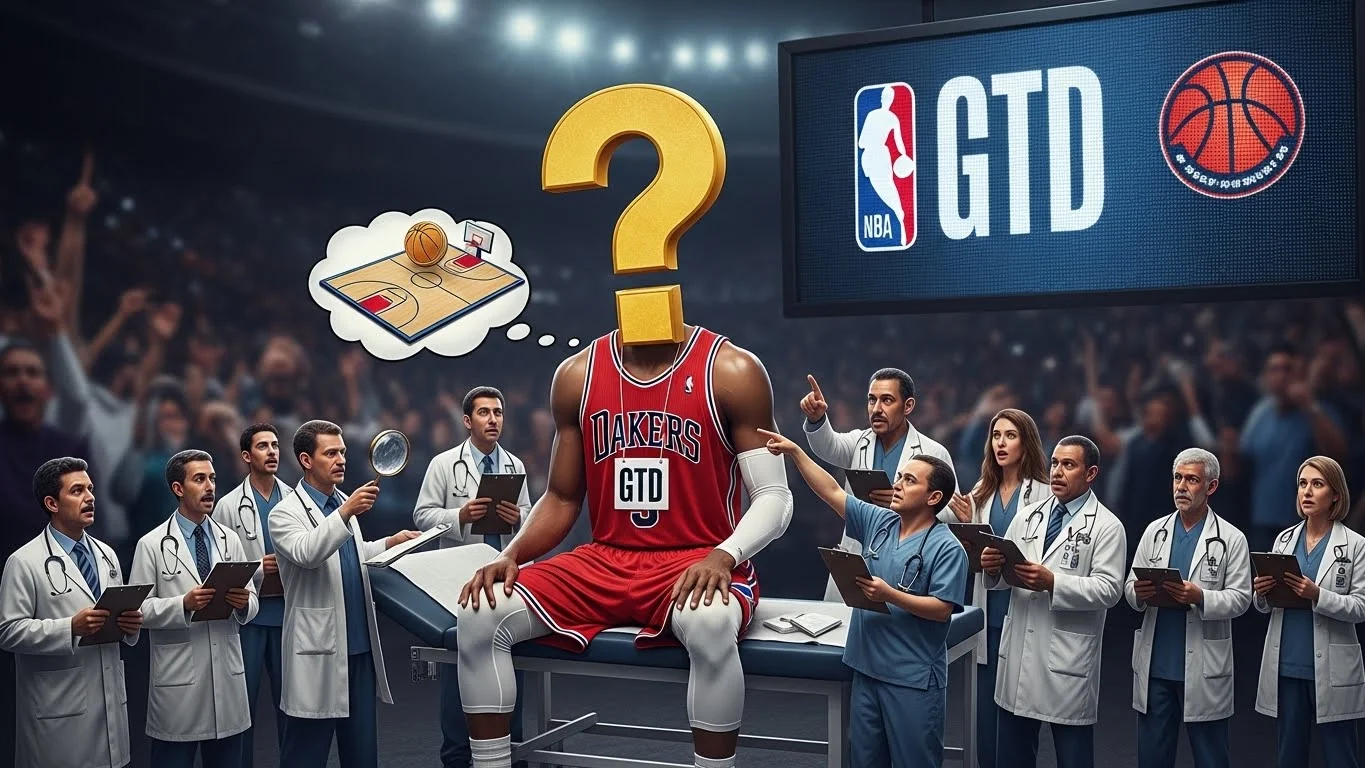
“LeBron James (ankle) is listed as GTD tonight.”
Explanation: Managers must wait for last-minute confirmation before locking lineups.
Injury report:
“Stephen Curry is a GTD due to back soreness.”
Explanation: He will warm up and decide closer to game time.
Betting discussion:
“If Luka plays, the spread changes. He’s GTD right now.”
Explanation: Betting odds depend on his availability.
Fan conversation:
“Why is everyone panicking? He’s GTD, not out.”
Explanation: GTD doesn’t mean the player will miss the game.
Common Mistakes & Misunderstandings
Thinking GTD means injured badly: It usually indicates a minor issue
Assuming GTD means out: Many GTD players end up playing
Ignoring warm-up reports: These often determine the final call
Confusing GTD with questionable: GTD is more last-minute
Important: A GTD star can completely change a game’s outcome.
Why GTD Matters for Fantasy Basketball
For fantasy players, GTD is critical information.
How it affects fantasy decisions
You may need a backup player ready
Late games require flexible roster spots
GTD stars can cause lineup chaos
Smart fantasy strategy
Monitor beat reporters
Avoid GTD players in early lock leagues
Use utility spots for flexibility
Fantasy reality: Some GTD players play full minutes, others sit entirely.
GTD vs Other NBA Injury Terms
Out: Will not play
Questionable: 50/50 chance
Probable: Likely to play
Day-to-day: Short-term injury
GTD: Final decision just before tip-off
Among all of these, GTD creates the most uncertainty.
Related NBA Terms & Abbreviations
DNP: Did Not Play
Injury Report: Official player availability list
Load Management: Resting players to prevent injury
Minutes Restriction: Limited playing time
Inactive: Player dressed but unavailable
Internal linking opportunity: “DNP meaning NBA,” “load management meaning,” “questionable vs GTD NBA.”