
What Does “Masa” Mean?
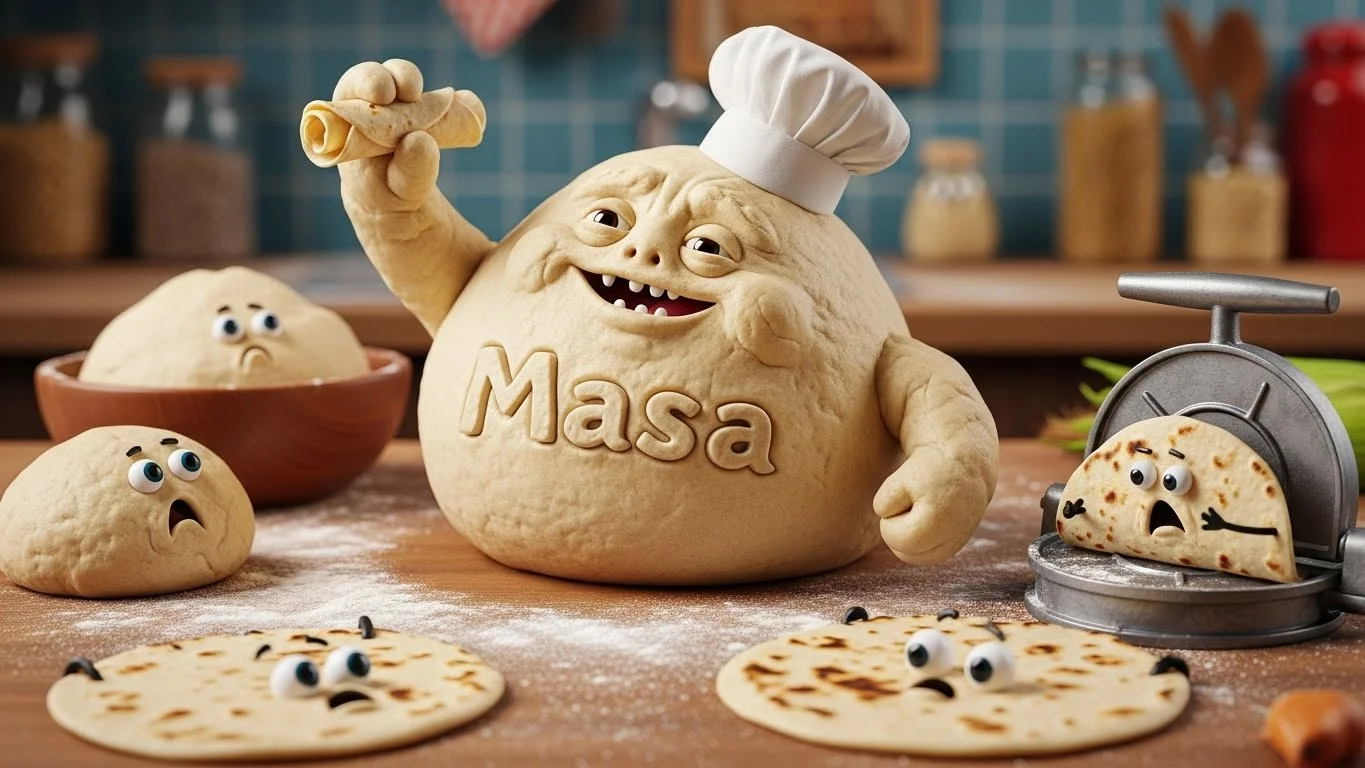
Masa is a Spanish word that literally means “dough,” especially corn dough used in Latin American cooking. It is the base for many traditional dishes, including tortillas, tamales, pupusas, and arepas.
In simple words:
Masa = corn dough / dough made from ground maize
Outside cooking, masa can sometimes be used metaphorically to describe a “mass” or “lump,” depending on context, but in modern usage, food is the most common reference.
Origin and History of Masa
Understanding the masa meaning starts with its history:
Mesoamerican origin: Masa comes from indigenous Central American cultures, particularly the Aztecs and Mayans, who processed maize using nixtamalization—soaking and cooking corn in lime water to make it more nutritious.
Spanish influence: The Spanish word “masa” literally means dough, which made it a natural translation for the corn paste.
Modern use: Masa became a staple in Mexican and Central American cuisine, spreading internationally through migration and globalization.
Fun fact: Nixtamalized corn masa has been used for over 5,000 years.
How People Use “Masa” in Real Conversations
In everyday language, masa is most often used in cooking discussions, recipes, and sometimes slang depending on the region.
Common Platforms and Situations
Recipes & food blogs: “Add 2 cups of masa for the tortillas.”
Restaurants: Talking about tamales, arepas, or pupusas.
Social media & food videos: Cooking tutorials or meal prep.
Cultural discussions: Highlighting traditional Latin American cuisine.
Casual example in conversation:
“Hey, can you make some masa for the tacos tonight?”
Meaning: Prepare corn dough for tacos.
Real-Life Examples of “Masa” in Text and Chat
Here are examples of what does masa mean in text and how it’s commonly used:
Example 1 (Cooking):
“I need fresh masa for the tamales.”
Meaning: Corn dough is required for cooking.
Example 2 (Restaurant):
“The pupusas are made with masa.”
Meaning: The dough for the dish is corn-based.
Example 3 (Cultural chat):
“Nixtamalized masa is healthier than regular cornmeal.”
Meaning: Talking about the traditional preparation process.
Example 4 (Metaphorical, rare):
“The ideas were a masa of confusion.”
Meaning: A mass or lump, figuratively describing something mixed together.
Example 5 (Short casual text):
“Got masa for tortillas?”
Meaning: Do you have corn dough ready?
Common Mistakes & Misunderstandings
Many people misinterpret masa meaning, especially non-native speakers.
1. Confusing Masa With Flour
Masa is not plain corn flour; it’s treated and moistened to form a dough.
2. Assuming It Only Refers to Tortillas
Masa is versatile—it’s used in tamales, pupusas, arepas, and even drinks like atole.
3. Mispronunciation
It’s pronounced “MAH-sa” in Spanish, not “MAY-sa.”
4. Thinking It’s a Brand
Some might confuse packaged masa for a brand name, but it’s a general term.
5. Using It in English Without Context
Without explanation, “masa” may confuse those unfamiliar with Latin American cuisine.
Related Words and Dishes
If you’re learning masa meaning, these related terms are helpful:
Nixtamal: Corn treated with lime before grinding
Masa harina: Dried and powdered masa for baking
Tortilla: Flatbread made from masa
Tamale: Dough-filled and steamed dish
Arepa: Corn dough patty popular in Colombia and Venezuela
These terms are often used together in recipes and cultural discussions.
Cultural Significance of Masa
Masa is more than just dough—it represents:
Heritage: Thousands of years of Mesoamerican tradition
Community: Making masa is often a family or communal activity
Identity: Central to Mexican, Salvadoran, Guatemalan, and other Latin American cuisines
For many, masa is a symbol of tradition, culture, and continuity.