
What Does “Bud” Mean in Chat or Text?
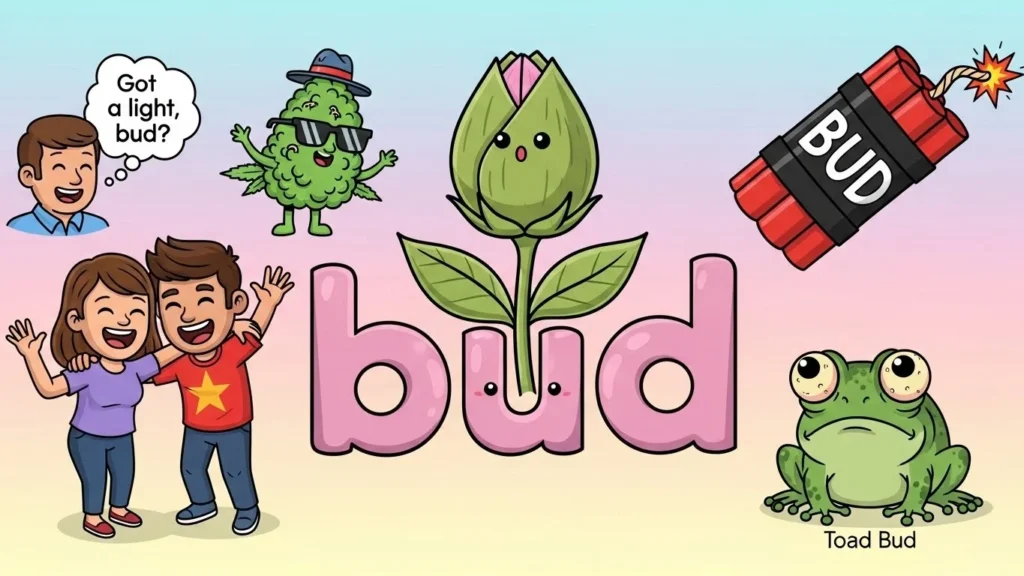
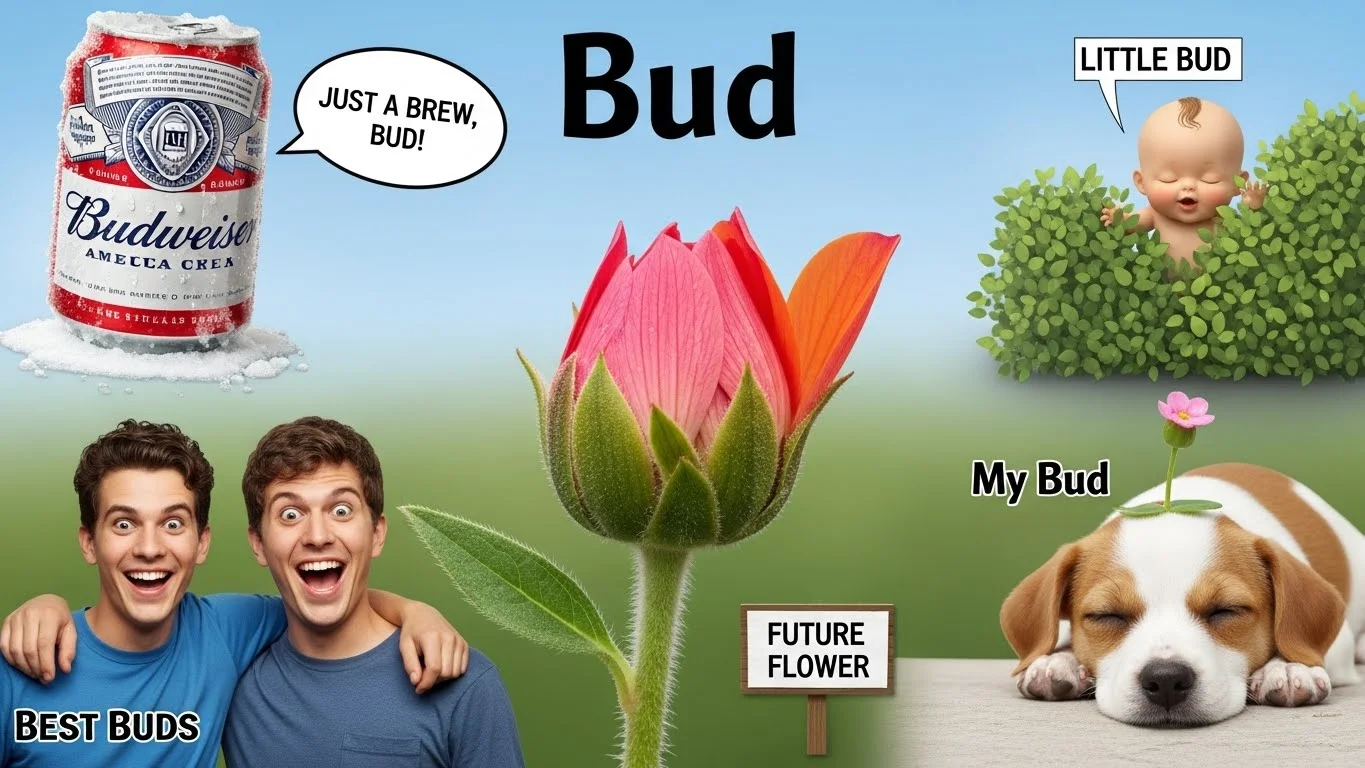
Bud is an informal term used to address someone, usually meaning friend, buddy, or mate. It often signals friendliness, familiarity, or casual connection—but it can also sound sarcastic or passive-aggressive in certain situations.
In simple words:
Bud = friend / buddy (usually casual and informal)
In text or chat, calling someone bud can mean:
You’re being friendly or relaxed
You see the person as an equal
You’re keeping the tone informal
Example:
“Thanks, bud.”
Meaning: Thanks, friend.
Different Meanings of “Bud” Based on Context
The bud meaning changes depending on who says it, how it’s said, and the situation.
1. Friendly or Casual Meaning (Most Common)
This is the most common modern usage.
Example:
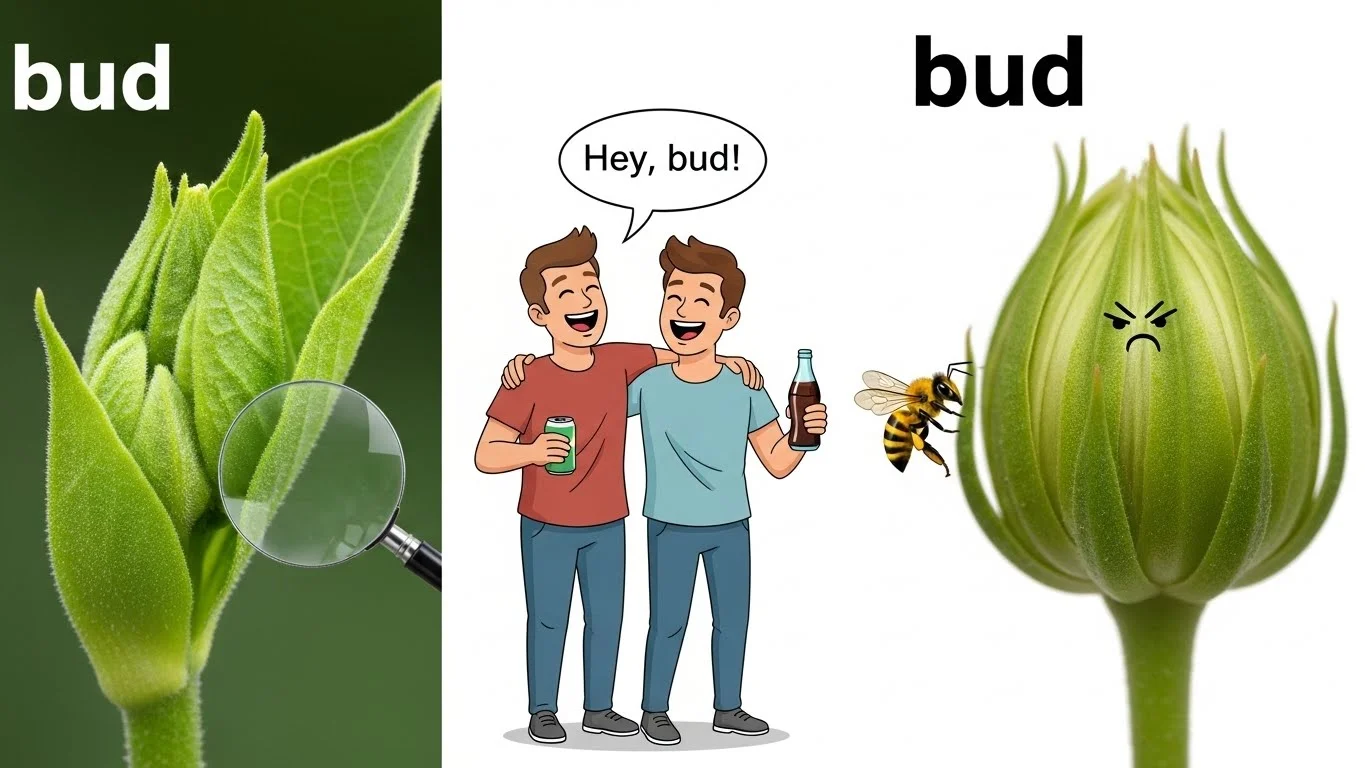
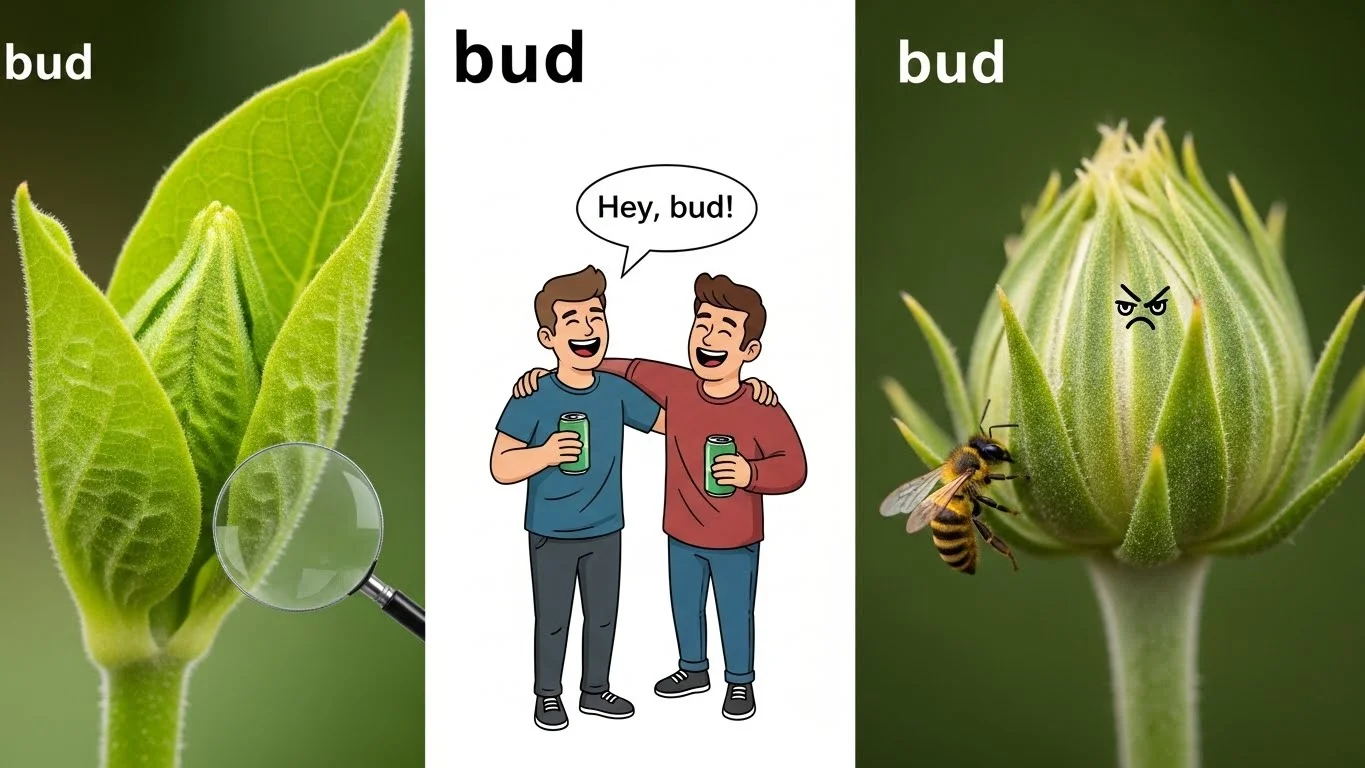
“Hey bud, how’s it going?”
Meaning: Friendly greeting.
Used among:
Friends
Coworkers (casual environments)
Acquaintances
2. Polite but Distant Meaning
Sometimes bud is used when someone wants to sound polite without being too close.
Example:
“Listen, bud, that’s not how it works.”
Meaning: Polite but firm correction.
3. Sarcastic or Passive-Aggressive Meaning
Tone matters a lot here. In some cases, bud can sound condescending.
Example:
“Nice try, bud.”
Meaning: Dismissive or sarcastic tone.
This usage is common in:
Arguments
Online debates
Sports trash talk
4. Literal Meaning (Less Common in Chat)
Outside slang, bud can also mean:
A flower bud
A plant growth
Short for “buddy”
Example:
“The rose bud hasn’t opened yet.”
Where Did the Word “Bud” Come From?
The slang use of bud comes from buddy, which originally meant “brother” or “close friend” in American English. Over time, bud became a shorter, more casual version—perfect for fast speech, texting, and relaxed conversation.
That’s why bud feels very natural in informal English, especially in North American–influenced internet culture.
How People Use “Bud” in Real Conversations
In modern communication, bud in chat is extremely common and usually harmless—but context is everything.
Common Platforms Where “Bud” Is Used
Text messages & WhatsApp: “What’s up, bud?”
Instagram & Snapchat: Casual replies
Gaming chats: Friendly or competitive tone
Reddit & forums: Neutral or sarcastic depending on context
Work chats: Casual teams or startups
When It’s Appropriate vs. Awkward
Appropriate use:
With friends or peers
In casual or friendly conversations
When tone is relaxed
Awkward or risky use:
With strangers in serious discussions
In professional or formal emails
When correcting or criticizing someone
Calling a stranger “bud” during a disagreement can come across as dismissive.
Real-Life Examples of “Bud” in Text Messages
These examples show what does bud mean in text and how tone changes meaning.
Example 1 (Friendly):
“Good job today, bud!”
Meaning: Genuine encouragement.
Example 2 (Casual):
“Sure thing, bud.”
Meaning: Relaxed agreement.
Example 3 (Sarcastic):
“Yeah, okay, bud.”
Meaning: Disbelief or mockery.
Example 4 (Neutral):
“Hey bud, can you send the file?”
Meaning: Informal request.
Example 5 (Dismissive):
“Relax, bud.”
Meaning: Can sound calming or condescending depending on tone.
These examples show that tone is more important than the word itself.
Common Mistakes & Misunderstandings
Many people misunderstand bud meaning in chat, especially non-native speakers.
1. Assuming “Bud” Is Always Friendly
While often friendly, bud can sound rude if used sarcastically.
2. Using It in Formal Situations
Calling a manager, client, or elder “bud” may sound disrespectful.
3. Confusing Bud With Bro or Dude
They’re similar, but bud is slightly softer and less slang-heavy.
4. Missing Tone in Text
Without voice or facial expression, bud can be misinterpreted.
5. Thinking It’s Gender-Specific
Bud is mostly gender-neutral, though more commonly used toward men.
Related Slangs & Similar Terms
If you’re learning bud meaning slang, these related words often appear in similar situations:
Buddy: Slightly warmer, more explicit friendship
Bro: Casual, often male-oriented slang
Dude: Very common, relaxed address
Mate: British/Australian equivalent
Pal: Friendly but slightly old-fashioned
These words overlap, but each carries a different tone.
Bud vs. Buddy: Is There a Difference?
Yes, a subtle one.
Buddy: More openly friendly and warm
Bud: Shorter, cooler, sometimes more neutral
“Thanks, buddy” sounds warmer than “Thanks, bud,” but both are friendly in most cases.
Why “Bud” Is Still Popular in 2026
In 2026, bud remains popular because:
It’s short and easy to type
It fits casual digital communication
It works across age groups
It sounds friendly without being overly personal
That’s why searches for bud meaning continue to grow, especially among people learning conversational English.