
What Does “Butter Churner Position” Mean?
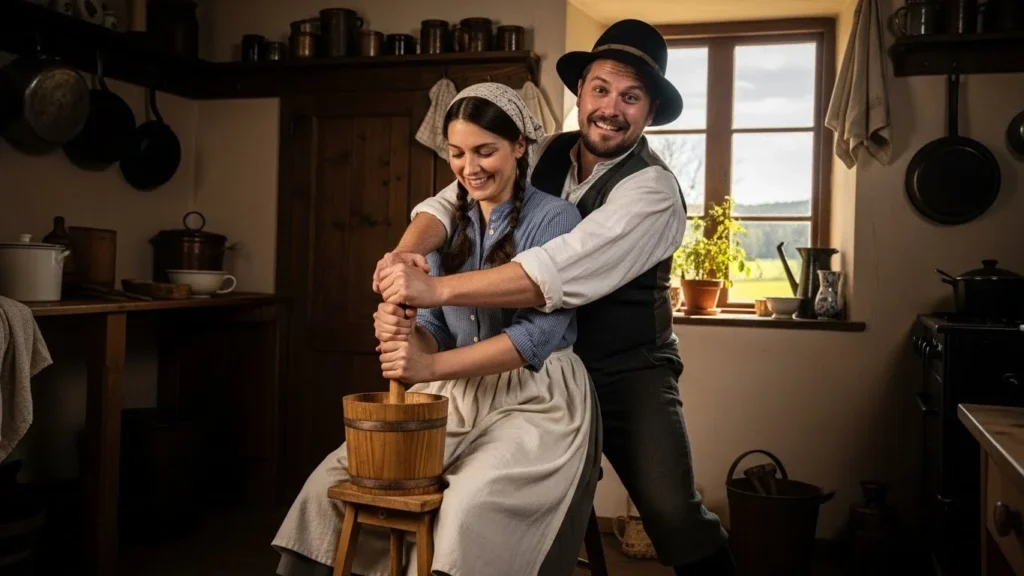
The butter churner position originally refers to the physical stance or posture someone assumes while churning butter by hand. Before modern machinery, butter-making required continuous effort using a hand-cranked or plunger-style churn.
Clear Definition
Butter churner position (literal): A seated or standing posture used while repeatedly moving the churner up and down or rotating a crank to make butter.
Typically involves leaning slightly forward
Arms extended or moving rhythmically
Legs stable for balance
The position was designed to maximize efficiency and reduce fatigue during the repetitive process.
Historical Background of the Butter Churner Position
Before the 20th century, butter-making was a common household chore, especially in rural areas. The butter churner position was a practical solution to a repetitive physical task.
Women (and sometimes men) spent hours churning butter
Proper posture helped prevent back strain and improve stamina
The position varied slightly depending on churn type (plunger vs. rotary)
This posture is referenced in historical guides, domestic manuals, and even old literature describing farm life.
Figurative or Modern Usage
In modern times, butter churner position can also be used figuratively or humorously:
Figurative meaning: Refers to repetitive, mundane, or labor-intensive work.
Example: “I’ve been at the desk all day in a butter churner position,” meaning sitting and working repetitively.
Exercise reference: Some fitness routines borrow the motion of churning butter to describe certain arm workouts.
Metaphorical storytelling: Used to depict patience, diligence, or old-fashioned domestic effort.

Real-Life Examples of Butter Churner Position
Example 1: Historical Description
“She settled into the butter churner position, plunging the dasher steadily up and down.”
Explanation: Literal posture for traditional butter-making.
Example 2: Figurative Modern Use
“Grading papers had me in a butter churner position for hours.”
Explanation: Humorous metaphor for repetitive work.
Example 3: Exercise Reference
“Lift your arms like the butter churner position to tone your shoulders.”
Explanation: Uses the motion as inspiration for fitness movements.
Example 4: Literary Use
“The farm girl, knees bent and arms steady, assumed the butter churner position without complaint.”
Explanation: Evokes patience, diligence, and old-fashioned work ethic.
Common Mistakes & Misunderstandings
Mistake 1: Thinking It’s a Modern Job Title
It’s not a profession today; the term describes posture, not employment.
Mistake 2: Confusing it With Cooking Techniques
The butter churner position is about physical stance, not ingredients or recipes.
Mistake 3: Assuming It’s Only Historical
While rooted in history, the phrase can appear metaphorically in modern language.
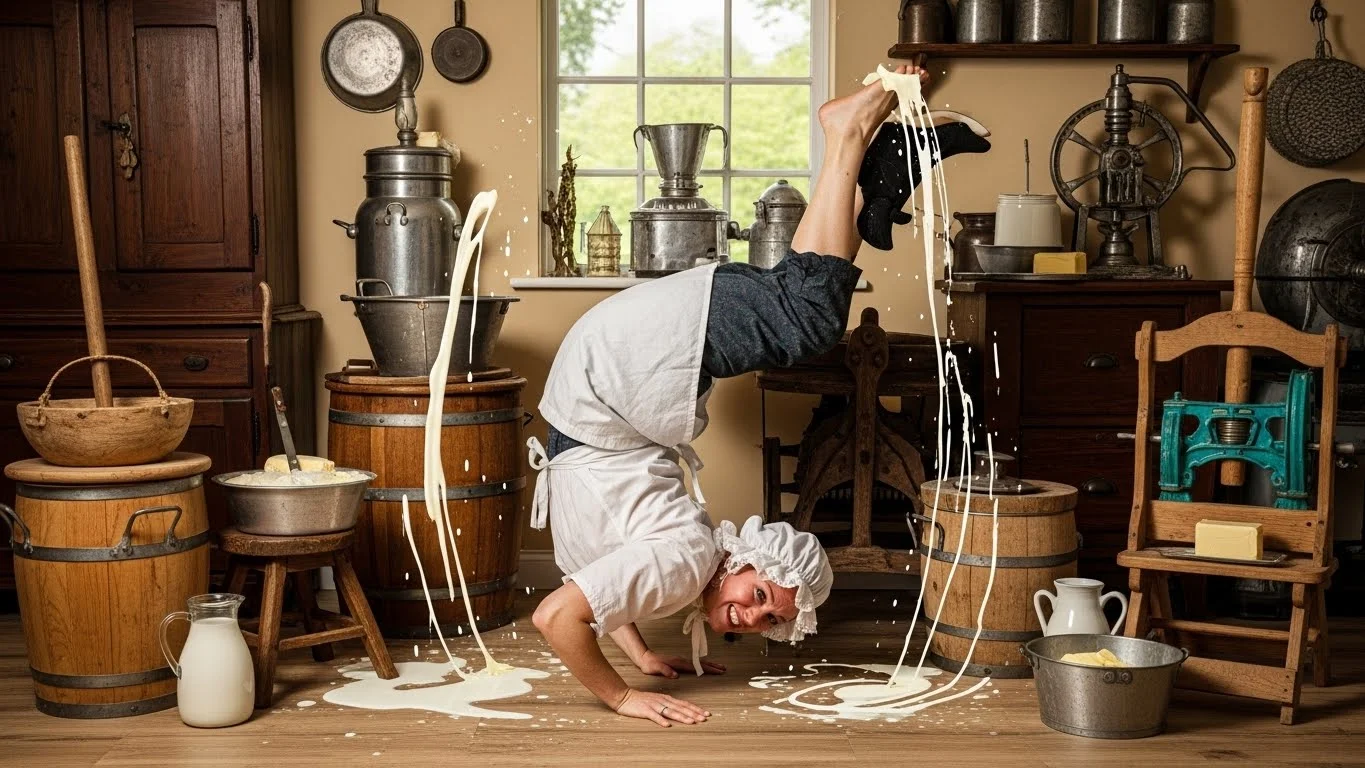
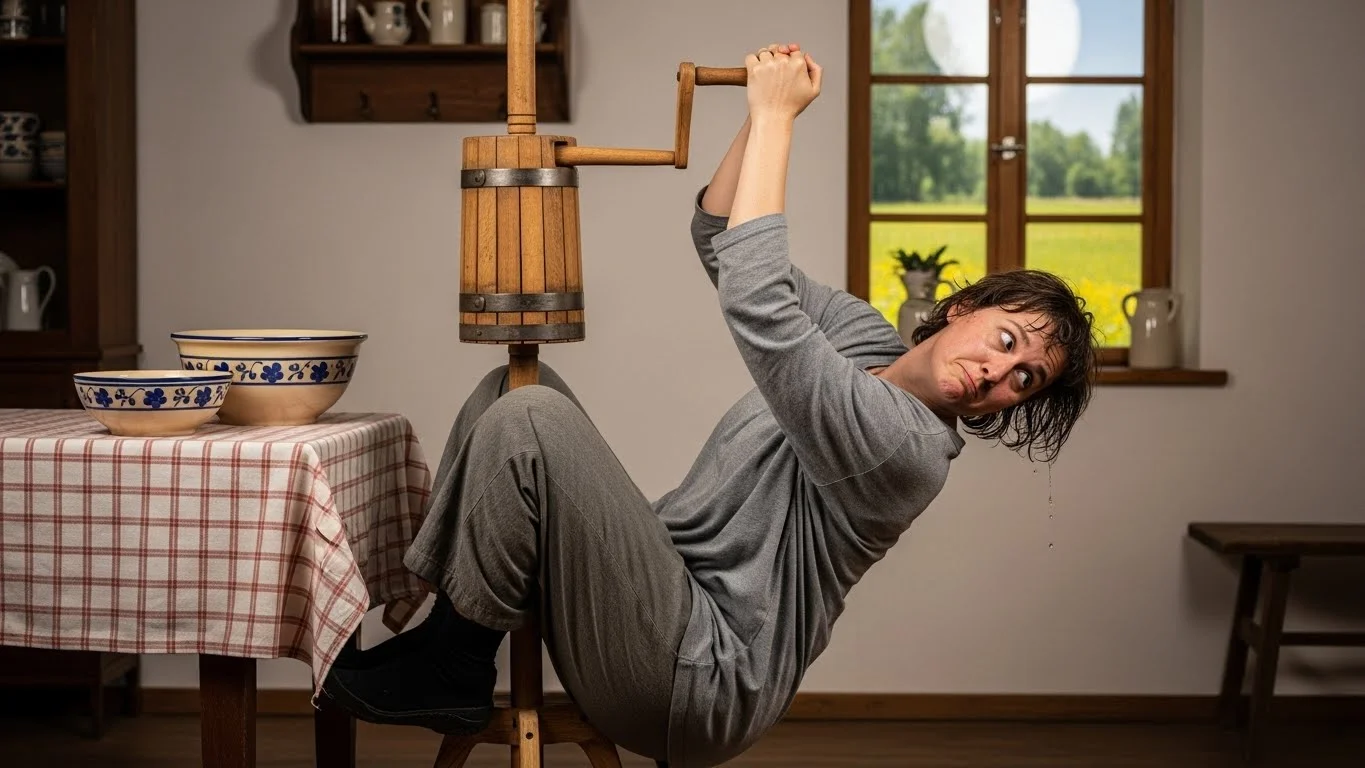
Mistake 4: Visualizing Incorrectly
The position involves rhythmic arm movement and stable posture, not random or exaggerated gestures.
Why Understanding This Term Matters
The butter churner position meaning helps readers:
Visualize historical domestic work
Understand figurative language in literature
Recognize metaphors in modern speech
Appreciate the physical effort behind everyday tasks in the past
It’s a small but meaningful part of cultural and linguistic history.
Related Terms and Concepts
Butter churn: The device used to make butter
Dasher: The plunger used to move cream in a churn
Manual labor posture: Positions designed for repetitive tasks
Domestic work: Household chores in historical contexts
Metaphorical stance: Figurative use for repetitive or diligent work