
What Does “Productivity” Mean?
Productivity means the ability to produce results efficiently by using time, energy, and resources wisely.
It focuses on:
Getting meaningful work done
Using less time or effort for better results
Improving output without unnecessary stress
In simple words:
Productivity is about working smart, not just working hard.
Productivity Meaning in Simple Terms
To understand it easily:
Doing 10 tasks poorly ≠ productivity
Doing 3 important tasks well = productivity
Example:
“She finished her work early because she was productive.”
This means she used her time and energy effectively.
Origin of the Word Productivity
The word productivity comes from the Latin word producere, meaning:
To produce
To bring forward
To create
Originally, productivity was used in economics and industry to measure output. Over time, its meaning expanded to include personal efficiency, focus, and effectiveness.
Types of Productivity
Productivity isn’t one-size-fits-all. It shows up in different areas of life.
1. Personal Productivity
This refers to how well an individual manages time and energy.
Examples:
Planning daily tasks
Avoiding distractions
Completing priorities first
High personal productivity means less stress and better results.
2. Workplace Productivity
This focuses on output and efficiency in a job or business.
Examples:
Completing tasks on time
Meeting goals without burnout
Using tools and systems efficiently
Companies value productivity because it leads to growth and success.
3. Academic Productivity
Related to studying, learning, and schoolwork.
Examples:
Studying with focus
Understanding concepts faster
Managing assignments properly
Productivity here is about learning effectively, not just studying longer.
4. Economic Productivity
Used in economics to measure output.
Examples:
Output per worker
Output per hour
This type helps governments and businesses assess economic performance.
Why Productivity Is Important
Productivity matters because it:
Saves time and energy
Reduces stress and burnout
Improves quality of work
Creates balance between work and life
Helps achieve goals faster
Being productive doesn’t mean being busy—it means being intentional.
Productivity vs Busyness
These two are often confused.
Busy: Doing many things without clear results
Productive: Doing the right things with purpose
Example:
Answering emails all day = busy
Completing a key project = productive
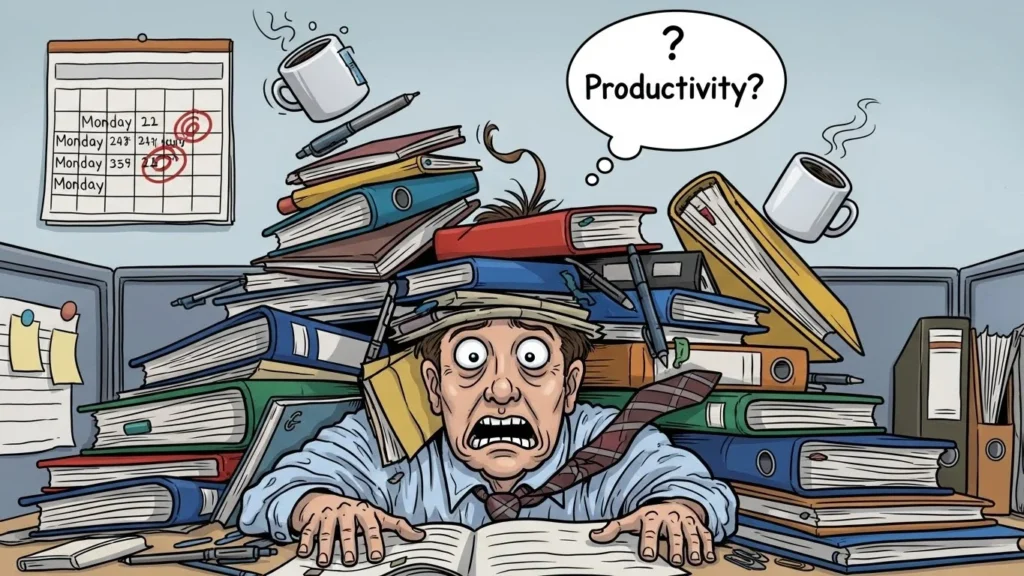
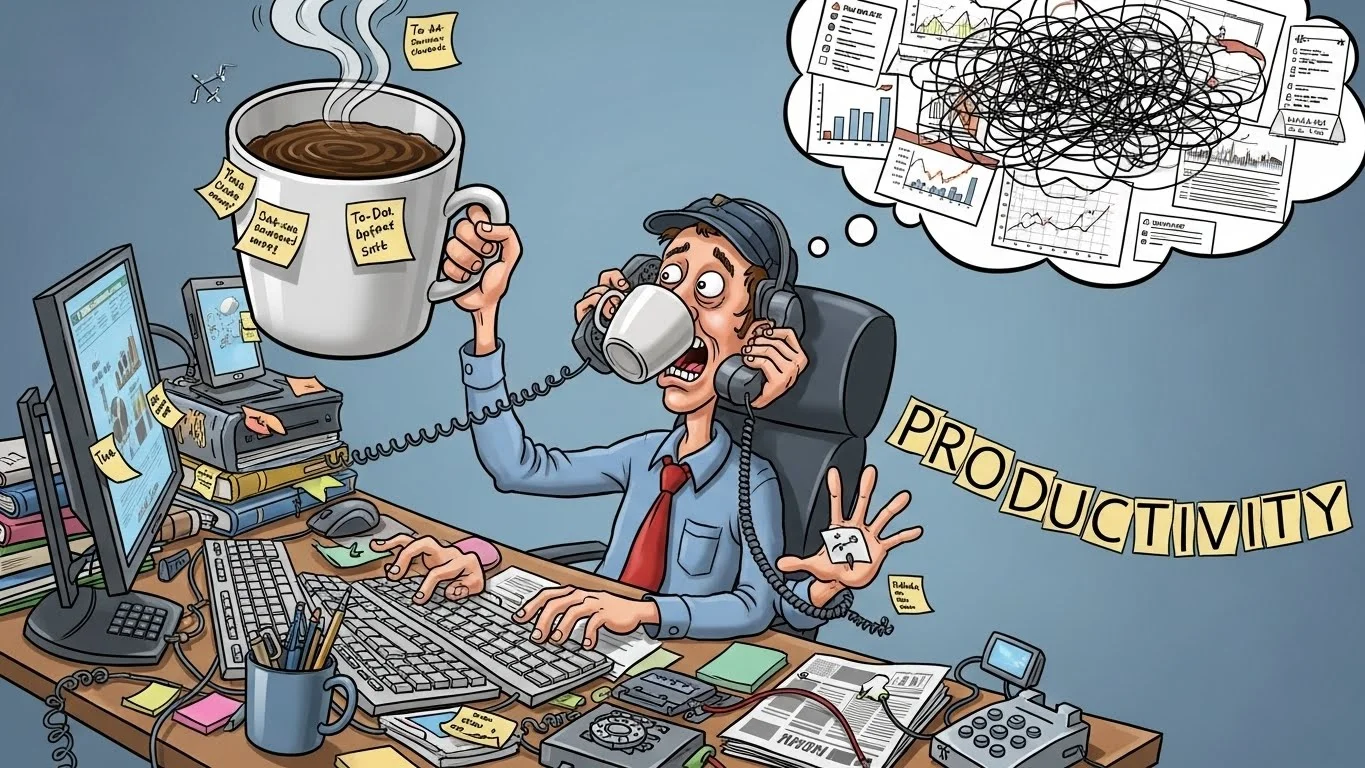
Productivity is about impact, not activity.

Modern Productivity Meaning in 2026
In 2026, productivity is no longer about hustle culture alone.
Modern productivity focuses on:
Mental health
Sustainable work habits
Focus over multitasking
Results over hours
People now value deep work, rest, and balance as part of being productive.
Common Productivity Myths
Productivity means working nonstop
False. Rest improves productivity.Multitasking increases productivity
False. It reduces focus and quality.Being productive means being perfect
No. Progress matters more than perfection.Tools alone make you productive
Tools help, but habits matter more.
Examples of Productivity in Daily Life
Finishing important work before distractions
Setting clear goals for the day
Saying no to unnecessary tasks
Taking breaks to recharge
Example sentence:
“He increased his productivity by planning his day the night before.”
Factors That Affect Productivity
Time management
Sleep and health
Focus and concentration
Environment
Motivation and mindset
Improving even one factor can boost overall productivity.
How Productivity Is Measured
In personal life:
Tasks completed
Goals achieved
Time saved
In work or economics:
Output per hour
Quality of results
Efficiency of resources
Productivity is both quantitative and qualitative.
Related Words and Concepts
Efficiency: Doing tasks with minimal waste
Effectiveness: Doing the right tasks
Time management: Planning time wisely
Focus: Sustained attention on tasks
Discipline: Consistency in action
These concepts work together to improve productivity.
Common Misunderstandings About Productivity
Productivity equals speed
Not always—quality matters.Productivity is the same for everyone
False. It varies by person and context.Only work-related tasks count
Personal growth and rest matter too.Productivity has no limits
Burnout reduces productivity.
Why Productivity Still Matters in 2026
In a world full of distractions:
Productivity helps maintain focus
It supports mental well-being
It enables smarter use of technology
It helps people achieve meaningful goals
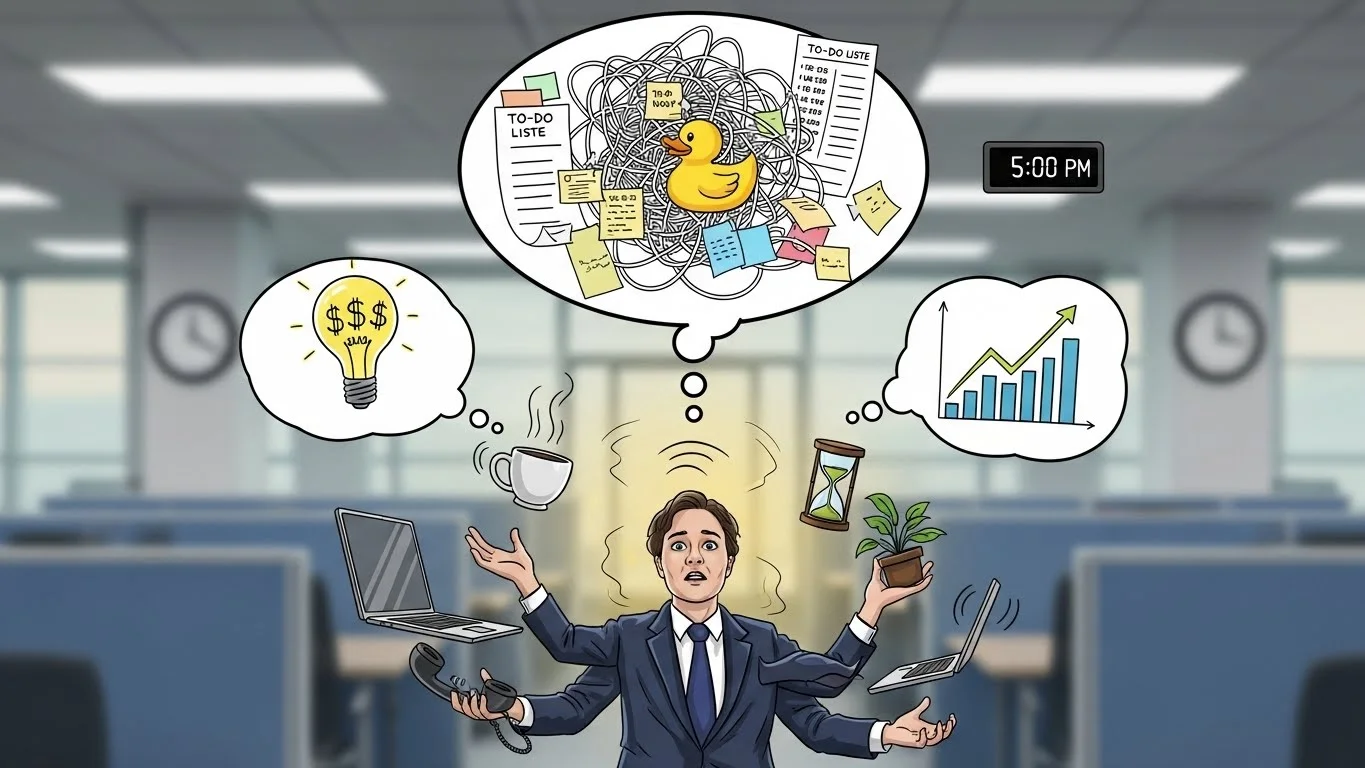
Productivity today is about balance, clarity, and purpose.