
What Does “Esteem” Mean?
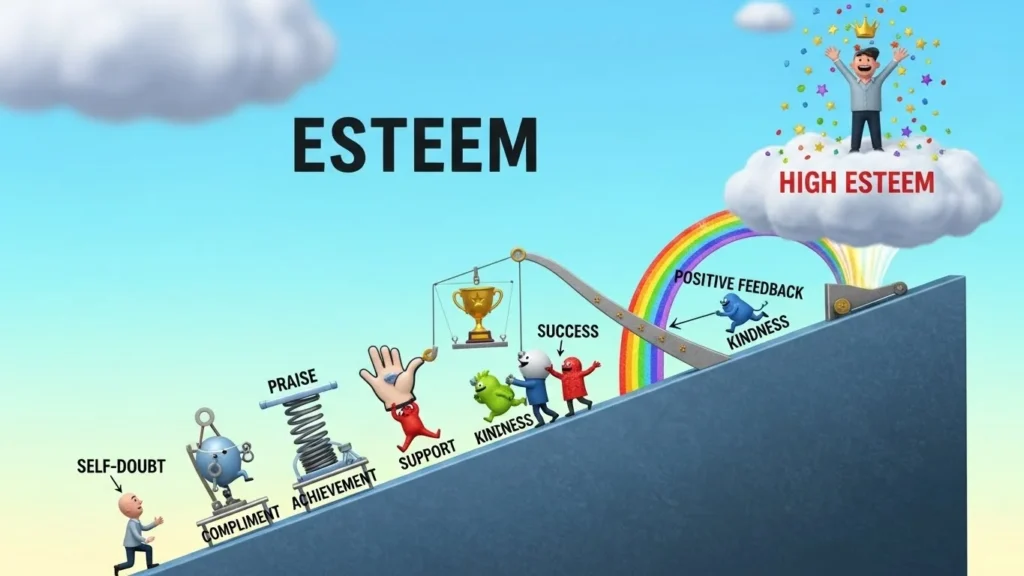
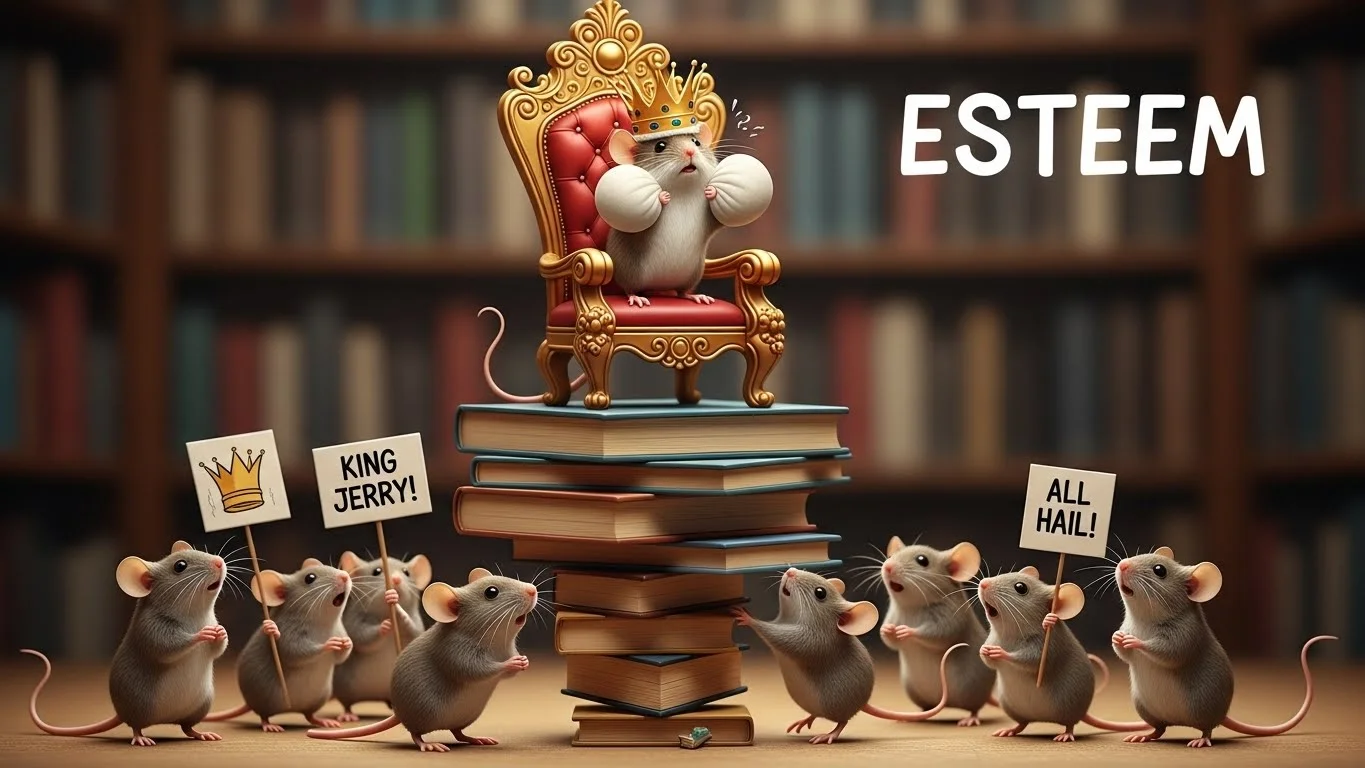
Esteem means respect, value, or a positive opinion held about someone or something.
It can apply to:
Yourself (self-esteem)
Other people (respect or admiration)
Skills, roles, or qualities (professional or social esteem)
In simple words:
Esteem is how much worth or importance you believe someone (including yourself) has.
Esteem Meaning in Simple Terms
To make it even clearer:
If you esteem someone, you respect or admire them
If you have high self-esteem, you believe you are valuable and capable
If you have low self-esteem, you may doubt your worth or abilities
Example:
“She is highly esteemed in her community.”
→ People respect and value her.
Origin of the Word Esteem
The word esteem comes from the Latin word aestimare, meaning:
To value
To judge
To estimate worth
Over time, the meaning shifted from calculating value to emotional and social value, which is how we use it today.
Types of Esteem
1. Self-Esteem
Self-esteem refers to how you feel about yourself.
Confidence in your abilities
Belief that you deserve respect
Acceptance of strengths and weaknesses
Example:
“Good self-esteem helps people handle failure without giving up.”
2. Social Esteem
Social esteem is about how others view and respect you.
Reputation
Status in a group or society
Recognition for skills or character
Example:
“Teachers are held in high social esteem in many cultures.”
3. Professional Esteem
This type focuses on respect in the workplace or career field.
Earned through skills, ethics, and experience
Often linked to leadership and trust
Example:
“He gained professional esteem after years of honest work.”
4. Moral or Ethical Esteem
This is respect based on character and values, not success or status.
Honesty
Integrity
Kindness
Example:
“She is esteemed for her integrity, not her wealth.”
What Is Self-Esteem and Why Is It Important?
Self-esteem plays a major role in:
Mental health
Relationships
Decision-making
Motivation and resilience
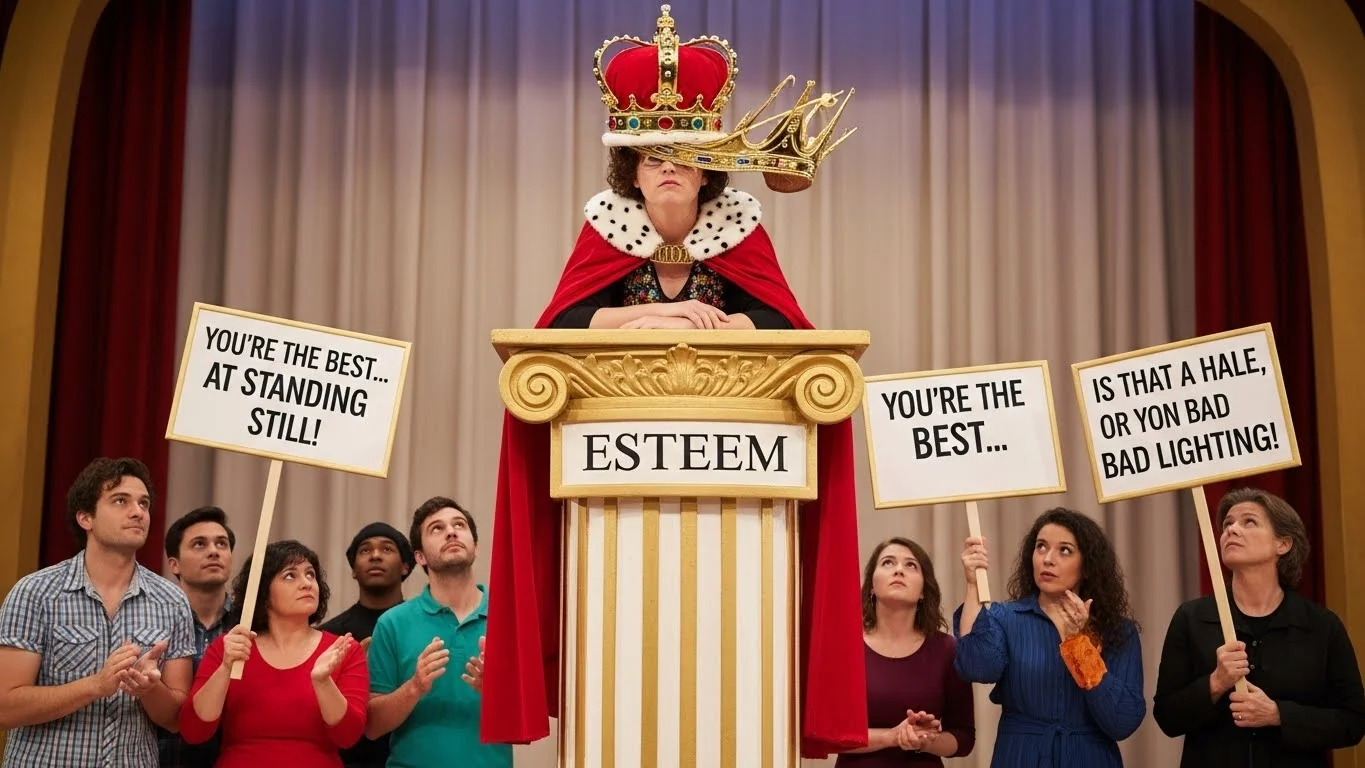
High Self-Esteem
Confidence without arrogance
Ability to accept criticism
Healthy boundaries
Low Self-Esteem
Constant self-doubt
Fear of failure
Seeking approval from others
Important: High self-esteem doesn’t mean thinking you’re perfect—it means knowing you have value even when you make mistakes.
Esteem vs Confidence vs Pride
These words are often confused, but they are different:
Esteem: Sense of worth or value
Confidence: Belief in your ability to do something
Pride: Satisfaction or pleasure in achievements
Example:
You can be confident at work but still struggle with self-esteem.
Pride can be healthy or unhealthy, depending on balance.
How Esteem Is Used in Everyday Language
Here are common ways people use the word esteem:
“She is highly esteemed by her peers.”
“His self-esteem improved after therapy.”
“The award brought him great esteem.”
“Public esteem can change quickly.”
In modern usage, esteem often appears in psychology, education, leadership, and self-development discussions.
Signs of Healthy Esteem
Accepting compliments without discomfort
Taking responsibility without excessive guilt
Respecting others without feeling inferior
Setting boundaries confidently
Healthy esteem leads to balanced relationships and emotional stability.
Common Misunderstandings About Esteem
Esteem means arrogance
No. True esteem is balanced and respectful.High self-esteem means ego
False. Ego seeks superiority; esteem recognizes worth.Esteem is fixed
No. Esteem can grow or decline based on experiences and mindset.Only success builds esteem
False. Character, effort, and self-acceptance matter more.
Related Words and Concepts
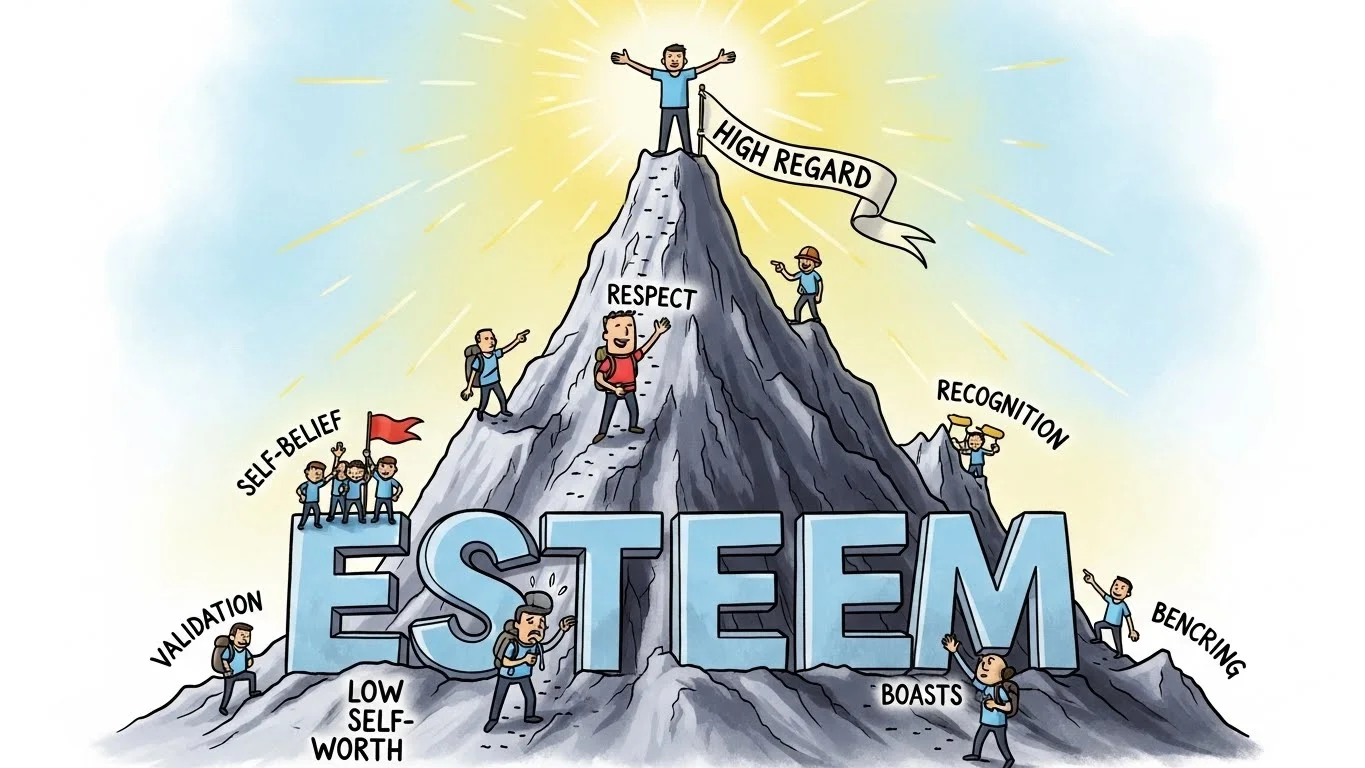
Self-worth – Your belief in your own value
Respect – Esteem shown toward others
Dignity – Inherent human worth
Confidence – Trust in abilities
Validation – External approval (not the same as esteem)
These terms often appear together but are not interchangeable.
Why Esteem Matters in Daily Life
Esteem affects:
How you speak to yourself
How you allow others to treat you
Your career growth
Emotional resilience
People with healthy esteem tend to:
Make better decisions
Maintain healthier relationships
Recover faster from setbacks