
What Does “Bard” Mean?
Bard has two primary contexts: historical/literary and modern/pop culture.
1. Historical / Literary Meaning
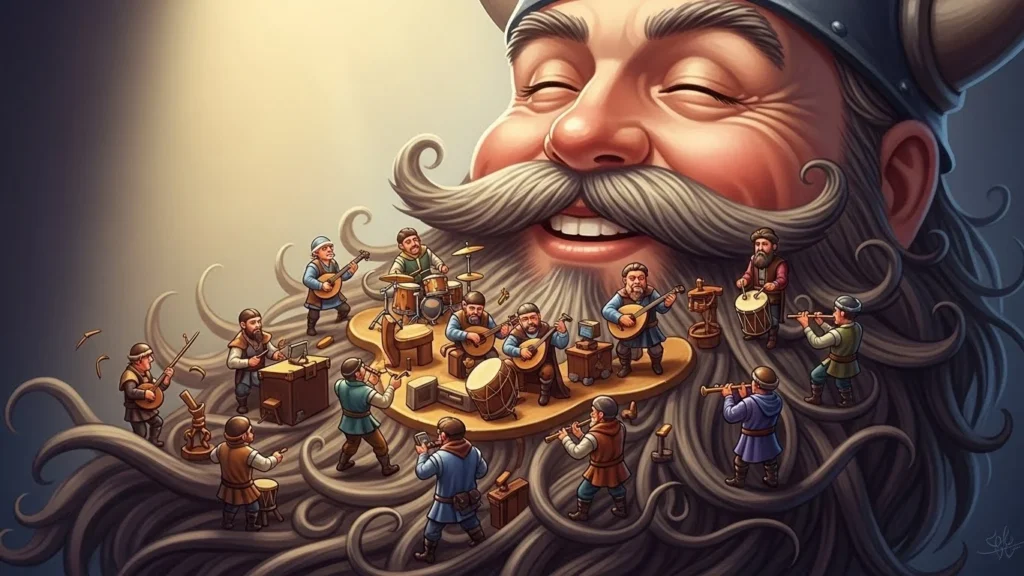
Traditionally, a bard is a poet, singer, or storyteller, especially one who composes and recites epic poetry about heroes and legends.
Originates from Celtic and medieval traditions, where bards preserved history, genealogy, and culture through oral storytelling.
Example:
“The bard sang of the king’s battles and heroic deeds.”
Meaning: Refers to a poet or storyteller in historical or literary context.
2. Modern / Pop Culture Meaning
In fantasy games, RPGs, and D&D, a bard is often a magical or skilled performer who uses music, stories, or poetry to cast spells, inspire allies, or debuff enemies.
Online communities sometimes use “bard” metaphorically to describe someone who tells stories, entertains, or is eloquent.
Example:
“He’s the bard of our Discord group, always crafting epic memes.”
Meaning: Someone who creates entertaining content or narratives.
Origin of the Word
From Old Celtic “bardos”, meaning poet or singer.
Became widely used in English around the Middle Ages.
Historically referred to official court poets or traveling storytellers who preserved history and culture.
How People Use “Bard” in Modern Conversations
Platforms
Text messages and group chats (playful nicknames for creative friends)
Gaming communities (Dungeons & Dragons, MMORPGs, fantasy games)
Social media captions and posts (highlighting creativity or storytelling)
Literature discussions (Shakespeare is often called “the Bard”)
When It Works vs When It Feels Awkward
Works well when:
Talking about creativity, storytelling, or poetic skills
Referring to historical or literary figures
In gaming or fantasy contexts
Feels awkward when:
Used literally in casual chat without context
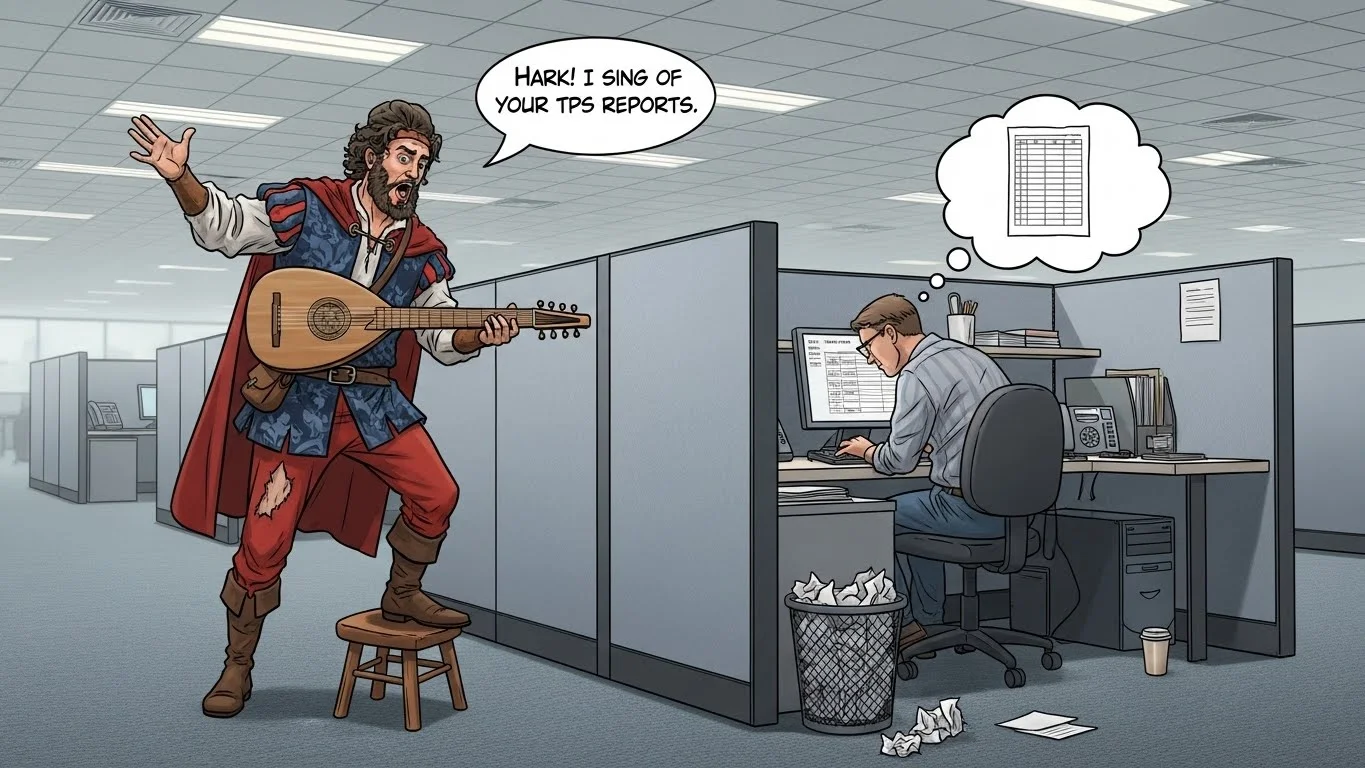
Over-applied in professional settings unrelated to creativity or storytelling
Casual Insight
Calling someone a bard in a modern context is usually complimentary, implying they are:
Talented with words, music, or storytelling
Creative or entertaining
Able to inspire or charm others
“You’re such a bard, always making us laugh with your stories.”
Real-Life Examples of “Bard” in Text Messages and Social Media
Example 1: Literature Context
“Shakespeare is the Bard of England.”
Meaning: Refers to Shakespeare as a legendary poet and playwright.
Example 2: Gaming / RPG Chat
“Our party needs a bard to boost morale in the dungeon.”
Meaning: Fantasy role-playing context where a bard inspires allies.
Example 3: Social Media Humor
“This meme lord is basically the bard of our group chat.”
Meaning: Someone creatively entertains the group.
Example 4: Casual Text Among Friends
“Stop, you’re such a bard with your dramatic storytelling!”
Meaning: Playful compliment about storytelling skills.
Example 5: Meme Caption
“When your friend narrates the entire game like a bard.”
Meaning: Highlighting entertaining storytelling.
Common Mistakes & Misunderstandings
Thinking bard is only historical: It’s widely used in gaming and online communities.
Using bard in professional contexts incorrectly: Not ideal unless referring to creative roles.
Confusing with modern “rapper” or “poet”: While similar, bard implies a storytelling or magical performer, not just rhyming.
Tone matters: Can be humorous, complimentary, or literal depending on context.
Related Words & Expressions
Poet / Minstrel / Troubadour: Classical synonyms in historical/literary contexts
Storyteller: Modern, neutral alternative
D&D Bard / RPG Class: Fantasy context, combining creativity and magic
Entertainer / Meme Lord: Informal, playful slang for modern bard-like behavior
Shakespeare / The Bard: Cultural reference to the famous English playwright
These related terms help clarify the context, whether historical, creative, gaming, or casual conversation.